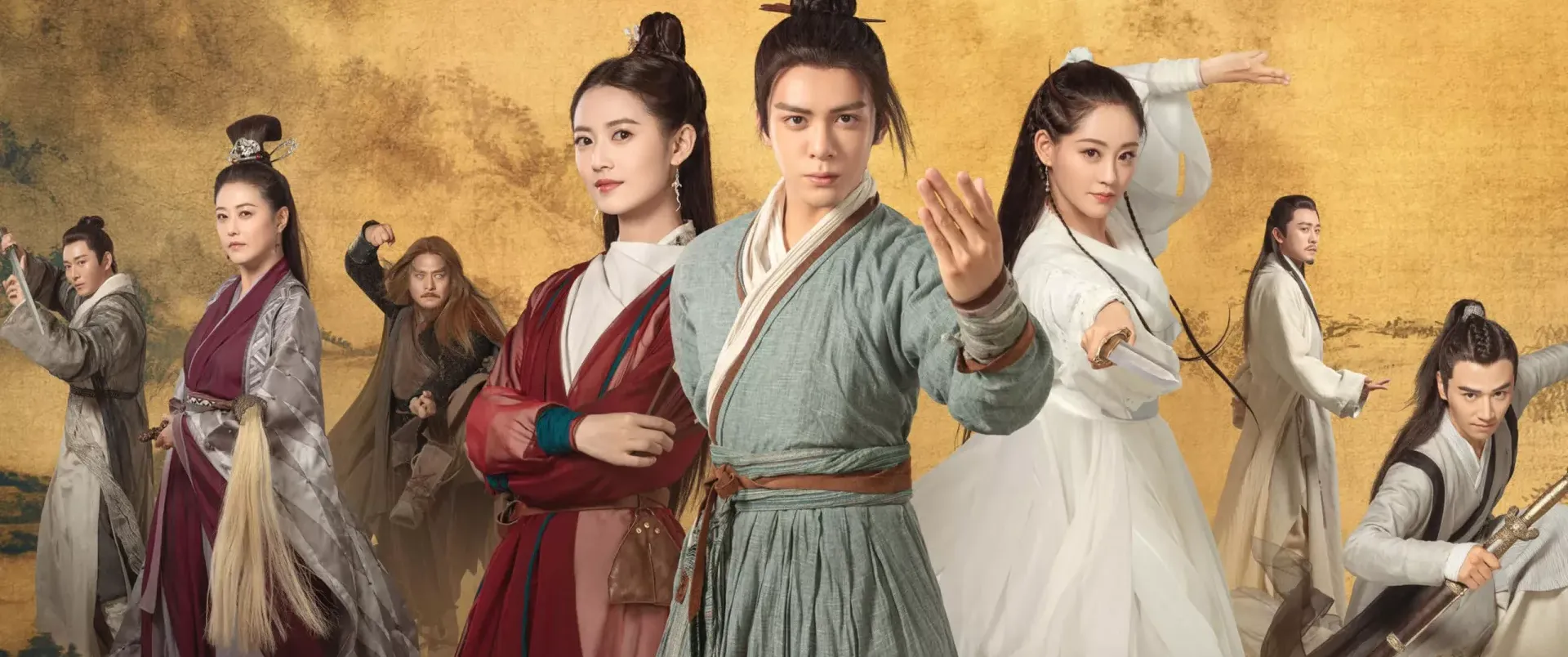
Zhang Shicheng (simplified: 张士诚, traditional: 張士誠, pinyin: Zhāng Shìchéng, jyutping: zoeng1 si6 sing4) was the leader of the Red Turban Army (红巾军) and a major warlord during the late Yuan period. He was one of the principal rebel leaders competing for power in the chaotic final years of the Yuan Dynasty, alongside figures like Zhu Yuanzhang and Chen Youliang.1
Biography
Role as Red Turban Army leader
Zhang Shicheng led the Red Turban Army, one of the major rebel forces that emerged during the late Yuan period to challenge Mongol rule. The Red Turban Army was part of the broader uprising of Han Chinese rebels seeking to overthrow the Yuan Dynasty and restore Chinese rule.2
Competition with other warlords
During this period of civil war and rebellion, Zhang Shicheng competed with other powerful warlords for control of territory and influence. His primary rivals included Zhu Yuanzhang, who would eventually found the Ming Dynasty, and Chen Youliang, another major warlord of the period.3
Historical significance
Zhang Shicheng’s role as a major warlord during the late Yuan period made him a significant figure in the power struggles that ultimately led to the collapse of the Yuan Dynasty and the establishment of the Ming Dynasty. His leadership of the Red Turban Army represented one of the major forces competing for supremacy during this turbulent period.4
Behind the scenes
Zhang Shicheng is based on the historical figure of the same name, who was indeed a major warlord and leader of rebel forces during the late Yuan period. Historically, Zhang Shicheng established his own state in the Jiangsu region and competed with Zhu Yuanzhang for control of eastern China. He was eventually defeated by Zhu Yuanzhang’s forces and committed suicide in 1367, shortly before Zhu Yuanzhang established the Ming Dynasty.5
In the novel, Jin Yong incorporates Zhang Shicheng as one of the historical warlords of the period, helping to ground the fictional narrative in real historical events. His mention alongside Zhu Yuanzhang and Chen Youliang helps establish the complex political landscape of the late Yuan period, where multiple rebel leaders competed for power while the Ming Order worked behind the scenes to overthrow Mongol rule.
The character’s inclusion demonstrates how the novel weaves together fictional martial arts adventures with real historical events, showing how the jianghu world existed alongside and influenced the political struggles that shaped Chinese history.