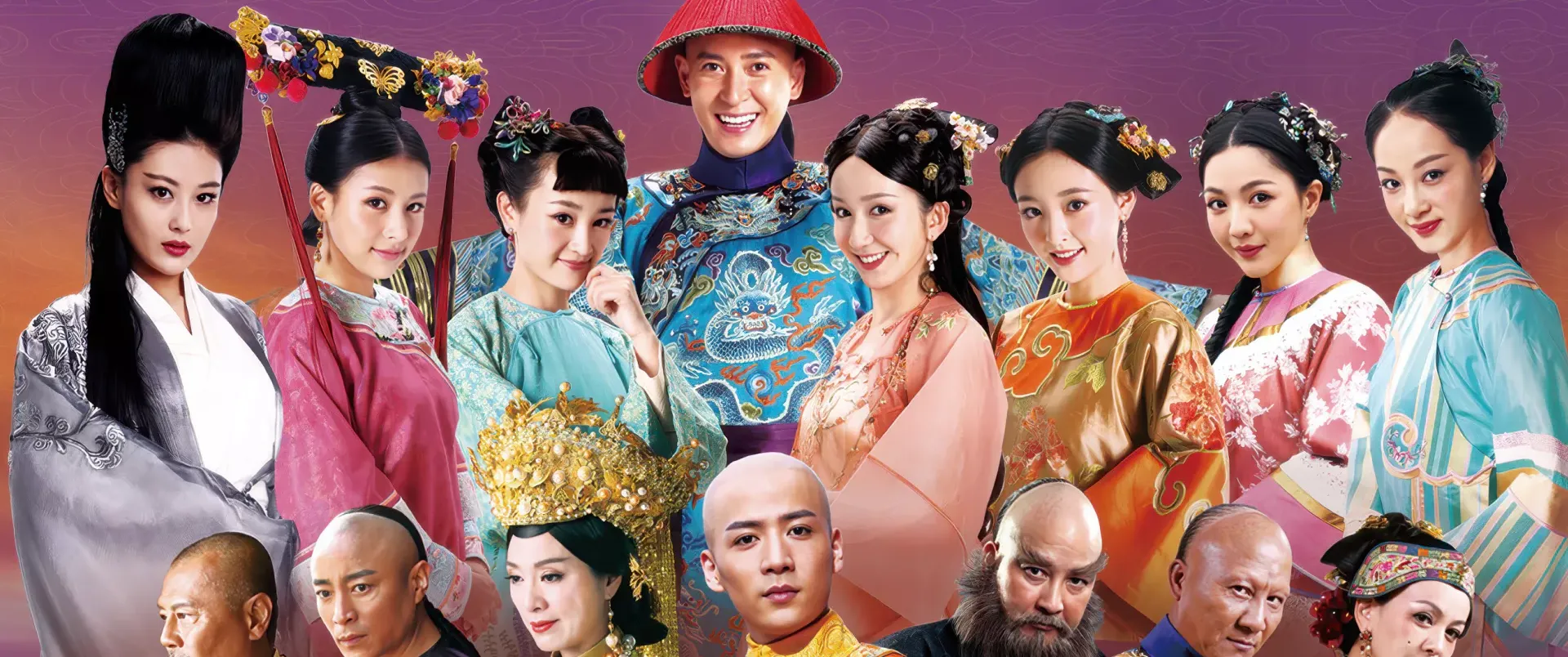
Mao Shiba (simplified: 茅十八, traditional: 茅十八, pinyin: Máo Shíbā, jyutping: maau4 sap6 baat3) was a rough-and-tumble outlaw who becomes Wei Xiaobao’s first friend in The Deer and the Cauldron. His name is said to commemorate the eighteen scholars (including Mao Yuanming) who were executed in the Ming History Case (明史案 — Míngshǐ Àn) during the early Qing dynasty.
Biography
Meeting Wei Xiaobao
Mao Shiba is a wanted outlaw from Jiangbei (江北 — Jiāngběi), Taizhou (泰州 — Tàizhōu), who practices the Five Tigers Breaking Door Sabre (五虎断门刀 — Wǔhǔ Duànmén Dāo). He is wanted by the authorities in Yangzhou with a substantial bounty on his head.
When Mao Shiba first encounters Wei Xiaobao in Yangzhou, the two immediately hit it off. Despite their different backgrounds—Mao Shiba being a seasoned outlaw and Wei Xiaobao being a brothel boy—they develop a genuine friendship based on mutual respect and camaraderie.
Journey to Beijing
Mao Shiba decides to travel to Beijing to challenge Oboi (鳌拜), known as the “First Warrior of Manchuria” (满洲第一勇士), to a duel. This quixotic quest, which Wei Xiaobao likens to Don Quixote tilting at windmills, becomes the catalyst for Wei Xiaobao’s departure from Yangzhou.
Wei Xiaobao accompanies Mao Shiba on this journey, and during their travels, Mao Shiba gives Wei Xiaobao the alias “Little White Dragon” (小白龙 — Xiǎobáilóng) to enhance his reputation. This marks the beginning of Wei Xiaobao’s extraordinary adventures.
Captured by Hai Dafu
During their journey, Mao Shiba and Wei Xiaobao are captured by Hai Dafu (海大富), a powerful eunuch in the imperial palace. Despite Mao Shiba’s martial arts abilities, he proves no match for Hai Dafu, demonstrating the vast gap between ordinary martial artists and true masters.
Wei Xiaobao saves Mao Shiba’s life by using lime powder—a “dishonorable” tactic that Mao Shiba initially criticizes, leading to an early demonstration of their different philosophies about survival and honor.
Later encounters
Mao Shiba reappears later in the novel when he encounters members of the Heaven and Earth Society (天地会). He is overjoyed to see Wei Xiaobao again, and their reunion helps clear up misunderstandings between Wei Xiaobao and the Society’s members.
However, near the end of the novel, Mao Shiba mistakenly believes that Wei Xiaobao has killed Chen Jinnan (陈近南), whom he deeply respects. This misunderstanding drives Mao Shiba to publicly denounce Wei Xiaobao, leading to his arrest and a death sentence.
Final rescue
When the Kangxi Emperor orders Wei Xiaobao to oversee Mao Shiba’s execution, Wei Xiaobao uses a clever ruse to save his old friend. He arranges for a body double to be executed in Mao Shiba’s place, allowing the real Mao Shiba to escape.
Personality and traits
Mao Shiba is characterized by his straightforward honesty, courage, and loyalty. He is a classic example of a rough but honorable outlaw—brave, principled, but limited in his understanding of the complex world he navigates.
He deeply respects Chen Jinnan, considering him a true hero, and his sense of honor drives many of his actions. However, his rigid adherence to traditional notions of honor sometimes blinds him to practical realities, as demonstrated by his initial criticism of Wei Xiaobao’s use of lime powder to save his life.
Mao Shiba’s relationship with Wei Xiaobao highlights their different worldviews: while Mao Shiba operates according to traditional codes of honor, Wei Xiaobao’s pragmatic approach to survival often proves more effective in the complex world they navigate.
Significance
Mao Shiba serves as Wei Xiaobao’s introduction to the jianghu (江湖 — the martial arts world) and represents a bridge between Wei Xiaobao’s humble origins in Yangzhou and his later adventures in Beijing and beyond.
His character also illustrates the contrast between traditional notions of honor and the pragmatic approach that Wei Xiaobao adopts. Mao Shiba’s rigid adherence to honor codes, while admirable, often limits his effectiveness compared to Wei Xiaobao’s more flexible approach.
Despite their different philosophies, Mao Shiba and Wei Xiaobao maintain a genuine friendship throughout the novel, demonstrating that true friendship can transcend differences in outlook and approach to life.
Mao Shiba’s role spans almost the entire novel—he appears in the second chapter and plays a significant role near the end—serving as a thread connecting Wei Xiaobao’s journey from a simple brothel boy to a figure of great influence in both the court and the jianghu.