
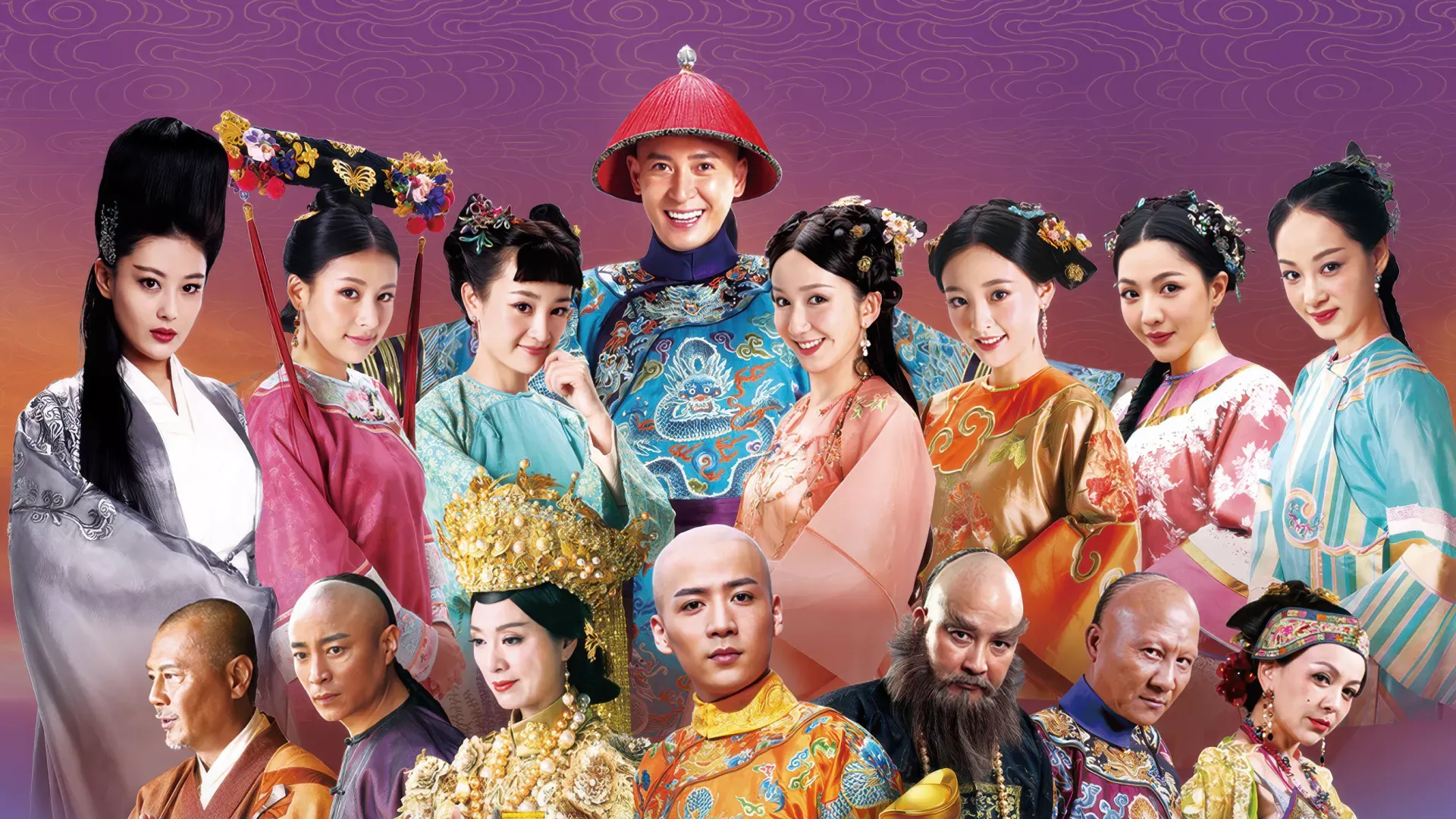
Zheng Keshuang (simplified: 郑克塽, traditional: 鄭克塽, pinyin: Zhèng Kèshuǎng, jyutping: zeng6 hak1 song2) was the ruler of the Kingdom of Tungning (东宁王国 — Dōngníng Wángguó) in Taiwan and a romantic rival of Wei Xiaobao in The Deer and the Cauldron.
In the novel
Ruler of Tungning
Zheng Keshuang is the ruler of the Kingdom of Tungning, a remnant Ming loyalist state in Taiwan. As the son of Zheng Jing (郑经 — Zhèng Jīng), he inherits the throne and becomes the leader of this anti-Qing stronghold.
His position as ruler gives him significant power and influence, though the Kingdom of Tungning faces constant pressure from the Qing dynasty, which seeks to eliminate this last bastion of Ming resistance.
Relationship with Feng Xifan
Zheng Keshuang is trained in martial arts by Feng Xifan (冯锡范 — Féng Xīfàn), known as “One Sword Thrust That Draws No Blood” (一剑无血 — Yījiàn Wúxuè). Feng Xifan serves as both his martial arts master and his bodyguard, protecting him and ensuring his safety.
This relationship demonstrates the importance of martial arts in the political landscape of the novel, as rulers must have both political authority and martial arts protection to survive.
Rivalry with Wei Xiaobao
Zheng Keshuang becomes a romantic rival of Wei Xiaobao, particularly in their competition for Ake’s (阿珂) affections. Both men pursue Ake, creating conflict between them that extends beyond simple romantic competition.
Wei Xiaobao’s typical blend of cunning and manipulation allows him to outmaneuver Zheng Keshuang, using various schemes to humiliate and discredit his rival. This rivalry becomes one of the sources of conflict in the novel, demonstrating how personal relationships can intersect with political struggles.
Killing Chen Jinnan
Zheng Keshuang is responsible for killing Chen Jinnan (陈近南 — Chén Jìnnán), the leader of the Heaven and Earth Society and Wei Xiaobao’s master. This act creates a major conflict between Zheng Keshuang and Wei Xiaobao, as it eliminates one of the most important figures in the anti-Qing resistance movement.
Chen Jinnan’s death at Zheng Keshuang’s hands represents a significant loss for the anti-Qing cause and demonstrates how internal conflicts within resistance movements can be as destructive as external threats.
Humiliation and defeat
Throughout the novel, Wei Xiaobao uses various schemes to humiliate Zheng Keshuang, often with the help of allies like Wu Lishen (吴立身), who help frame Zheng Keshuang for various crimes. These humiliations serve to discredit Zheng Keshuang and reduce his standing, both personally and politically.
Zheng Keshuang’s ultimate fate reflects the novel’s broader themes about the complexity of power and the ways in which personal conflicts can influence political outcomes.
Historical basis
Zheng Keshuang (1670–1707) was a real historical figure, the third and final ruler of the Kingdom of Tungning. Historically:
- He was the son of Zheng Jing, who was the son of Koxinga (郑成功 — Zhèng Chénggōng)
- He became ruler in 1681 after his father’s death
- He surrendered to the Qing dynasty in 1683, ending the Kingdom of Tungning
- He was taken to Beijing and given a noble title, but was later executed in 1707
In The Deer and the Cauldron, Jin Yong incorporates this historical figure and his role as the ruler of Tungning, adapting his story to fit the novel’s narrative while maintaining the historical framework.
Significance
Zheng Keshuang represents the theme of political power and personal conflict that runs throughout the novel. His position as ruler of Tungning makes him an important figure in the anti-Qing resistance movement, but his personal conflicts with Wei Xiaobao demonstrate how individual relationships can influence political outcomes.
His character also highlights the complexity of the anti-Qing movement, showing how different factions within the resistance can come into conflict with each other, sometimes with devastating consequences.
Zheng Keshuang’s role in killing Chen Jinnan illustrates how internal conflicts within resistance movements can be as dangerous as external threats, and how personal ambitions can override shared political goals.