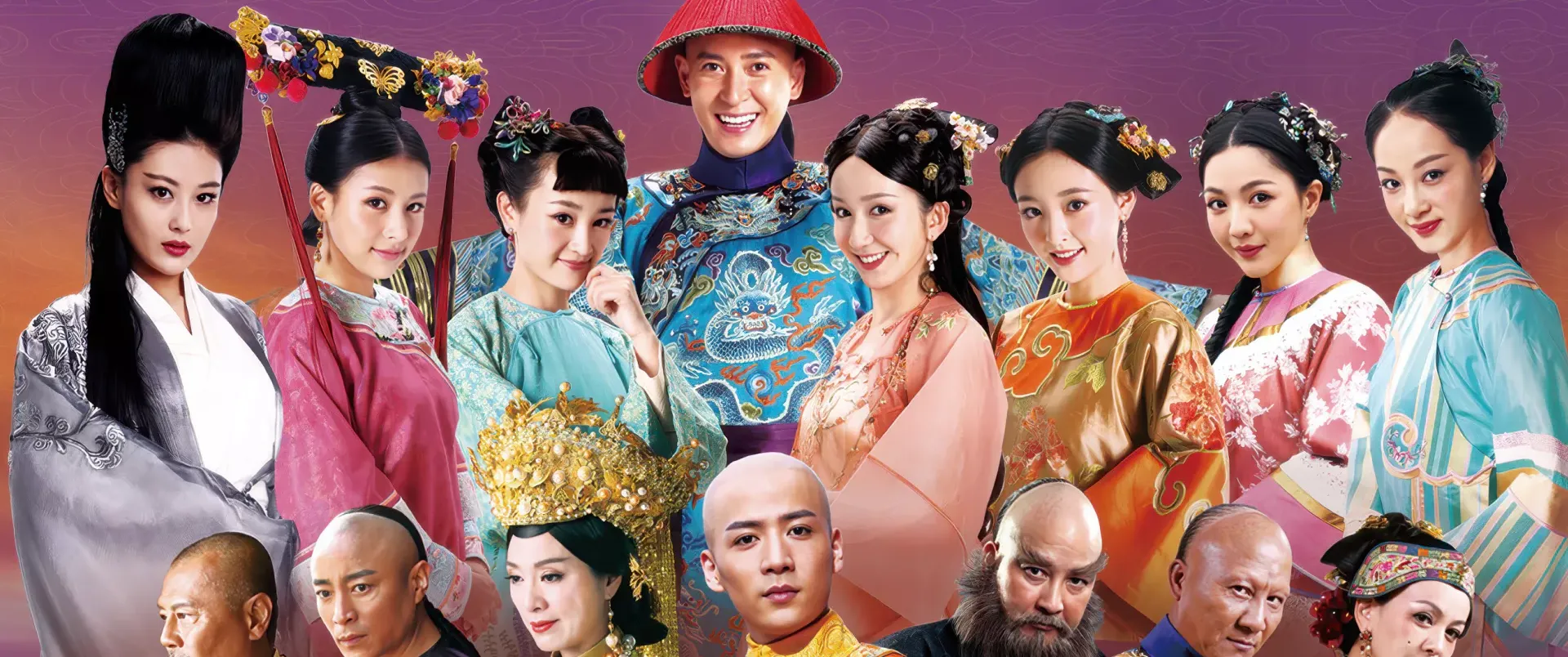
Songgotu (simplified: 索额图, traditional: 索額圖, pinyin: Suǒétú, jyutping: sok3 ngaak6 tou4) was a high-ranking Qing Dynasty official and one of Wei Xiaobao’s sworn brothers in The Deer and the Cauldron. He served as Grand Secretary (大学士 — Dàxuéshì) and played a significant role in the early years of the Kangxi Emperor’s reign.
Biography
Role in defeating Oboi
Songgotu was one of the key figures who helped the Kangxi Emperor plan and execute the capture of Oboi (鳌拜). As the third son of Soni (索尼), one of the Four Regents, Songgotu had significant influence at court and was trusted by the young emperor.
He worked closely with the emperor to coordinate the arrest, ensuring that military forces in the capital would remain under control and prevent Oboi’s allies from causing trouble during the operation.
Relationship with Wei Xiaobao
After Wei Xiaobao’s role in defeating Oboi, he and Songgotu become sworn brothers. This relationship proves mutually beneficial: Songgotu helps Wei Xiaobao navigate the complexities of court politics, while Wei Xiaobao provides valuable services to the emperor through Songgotu’s connections.
Their relationship demonstrates the pragmatic alliances that form in the world of court politics, where relationships are often based on mutual benefit rather than purely personal affection.
Court position and influence
Songgotu held numerous important positions throughout his career, including:
- Vice Minister of Personnel (吏部右侍郎 — Lìbù Yòu Shìláng)
- First Class Imperial Guard (一等侍卫 — Yīděng Shìwèi)
- Grand Secretary of the Baohe Hall (保和殿大学士 — Bǎohédiàn Dàxuéshì)
- Minister of Revenue (户部尚书 — Hùbù Shàngshū)
His influence at court made him one of the most powerful officials in the early Kangxi reign, second only to figures like Oboi before his fall.
Historical basis
Songgotu (1636–1703) was a real historical figure who served as one of the Kangxi Emperor’s most trusted advisors during the early years of his reign. His historical achievements include:
- Helping the Kangxi Emperor arrest Oboi in 1669
- Serving as the chief negotiator for the Treaty of Nerchinsk with Russia in 1689
- Holding numerous high-ranking positions in the Qing government
However, Songgotu’s historical fate was ultimately tragic. He was later accused of plotting against the emperor in connection with Crown Prince Yinreng’s (胤礽) behavior and was imprisoned, where he died. His downfall came about due to his close association with the crown prince and his perceived threat to the emperor’s authority.
In The Deer and the Cauldron, Jin Yong focuses on Songgotu’s earlier, more successful years, portraying him as a loyal servant of the emperor and a valuable ally to Wei Xiaobao.
Significance
Songgotu represents the complex world of Qing court politics and the delicate balance of power during the early years of the Kangxi Emperor’s personal rule. His relationship with Wei Xiaobao demonstrates how political alliances form and how individuals with different backgrounds can work together toward common goals.
His character also highlights the historical reality of the period, showing how real historical figures interacted with the fictional protagonist and providing context for the political dynamics of the early Qing court.