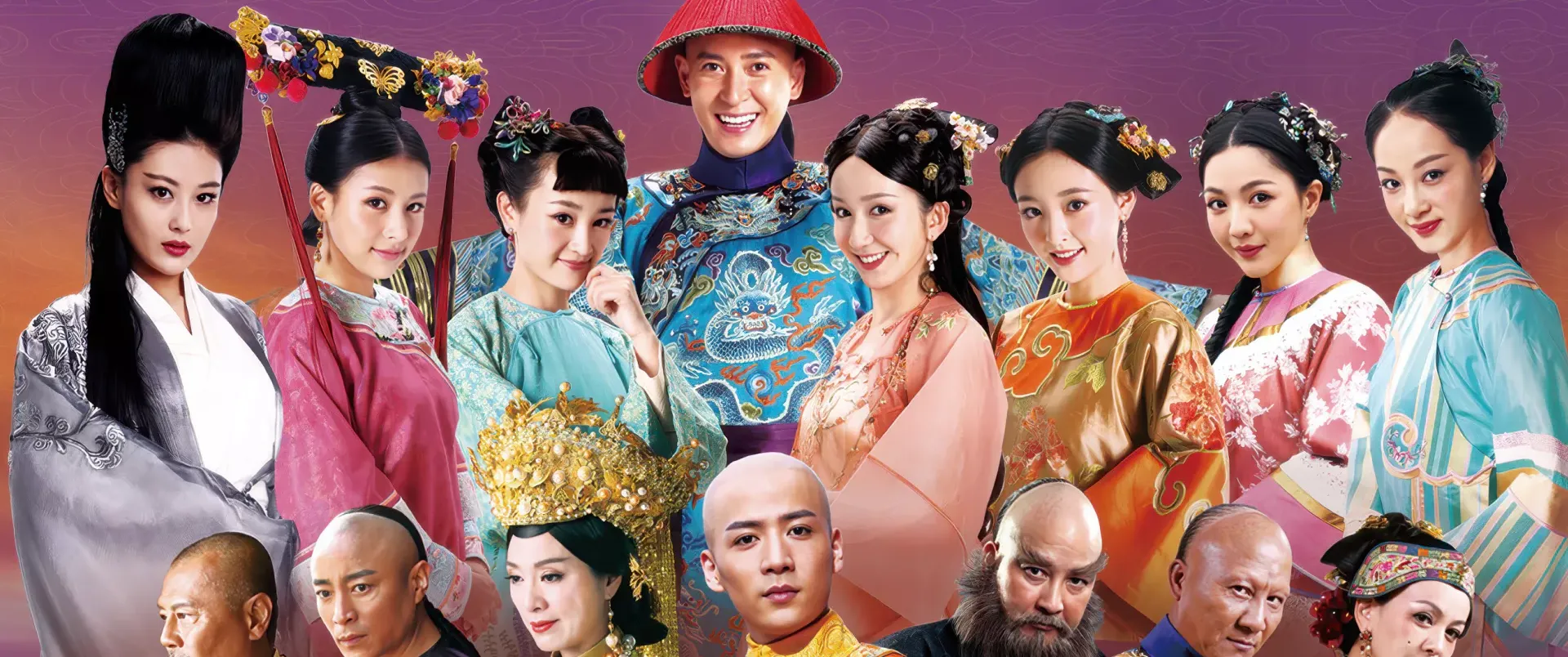
The Shunzhi Emperor (simplified: 顺治皇帝, traditional: 順治皇帝, pinyin: Shùnzhì Huángdì, jyutping: seon6 zi6 wong4 dai3) was the third emperor of the Qing Dynasty and the father of the Kangxi Emperor in The Deer and the Cauldron. In the novel, he is believed to have died, but actually abdicated the throne and became a Buddhist monk, retreating to Mount Wutai (五台山 — Wǔtái Shān).
Biography
Historical background
The Shunzhi Emperor was a real historical figure who lived from 1638 to 1661. He was the third emperor of the Qing Dynasty, succeeding his father Huangtaiji in 1644 at the age of six. His reign marked the beginning of Qing rule over all of China, as the dynasty completed its conquest of the Ming territories.
In the novel, the Shunzhi Emperor’s story takes a fictional turn, as he is portrayed as having abdicated the throne and become a Buddhist monk rather than dying as recorded in history.
Abdication and retreat to Mount Wutai
In the novel, the Shunzhi Emperor does not die as recorded in history, but instead abdicates the throne and becomes a Buddhist monk. He retreats to Mount Wutai, one of the Four Sacred Mountains of Chinese Buddhism, where he lives in seclusion.
This secret is known only to a few trusted individuals, including Hai Dafu (海大富), a eunuch who was ordered by the Shunzhi Emperor to investigate the death of Consort Donggo (董鄂妃). The emperor’s abdication and retreat remain a closely guarded secret, as the official story maintains that he died.
Relationship with Consort Donggo
The Shunzhi Emperor’s abdication and retreat to Mount Wutai is connected to the death of Consort Donggo (董鄂妃), one of his favourite consorts. The emperor was deeply affected by her death and ordered Hai Dafu to investigate, suspecting foul play.
This investigation ultimately leads to the discovery of Mao Dongzhu (毛东珠) and her role in the consort’s death, as well as the revelation of the fake Empress Dowager.
Reunion with the Kangxi Emperor
When Wei Xiaobao (韦小宝) reveals the secret of the Shunzhi Emperor’s survival to the Kangxi Emperor, the young emperor sends Wei Xiaobao to Mount Wutai to locate his father. This mission leads to a touching reunion between father and son, as the Kangxi Emperor is finally able to meet the father he believed to be dead.
The reunion between the Shunzhi Emperor and the Kangxi Emperor is one of the novel’s most emotional moments, as it brings closure to the emperor’s quest to understand his father’s fate and provides an opportunity for father and son to reconnect after years of separation.
Significance
The Shunzhi Emperor represents the theme of abdication and renunciation of worldly power in favour of spiritual pursuits. His decision to become a Buddhist monk and retreat to Mount Wutai reflects the novel’s broader themes about the nature of power and the possibility of finding peace outside the imperial court.
His character also highlights the theme of secrecy and hidden truths within the imperial court, as his survival and retreat remain a closely guarded secret that affects the lives of many characters throughout the novel.
The Shunzhi Emperor’s story contributes to the broader theme of filial piety and the relationship between fathers and sons, as his reunion with the Kangxi Emperor demonstrates the enduring bond between parent and child, even after years of separation and misunderstanding.