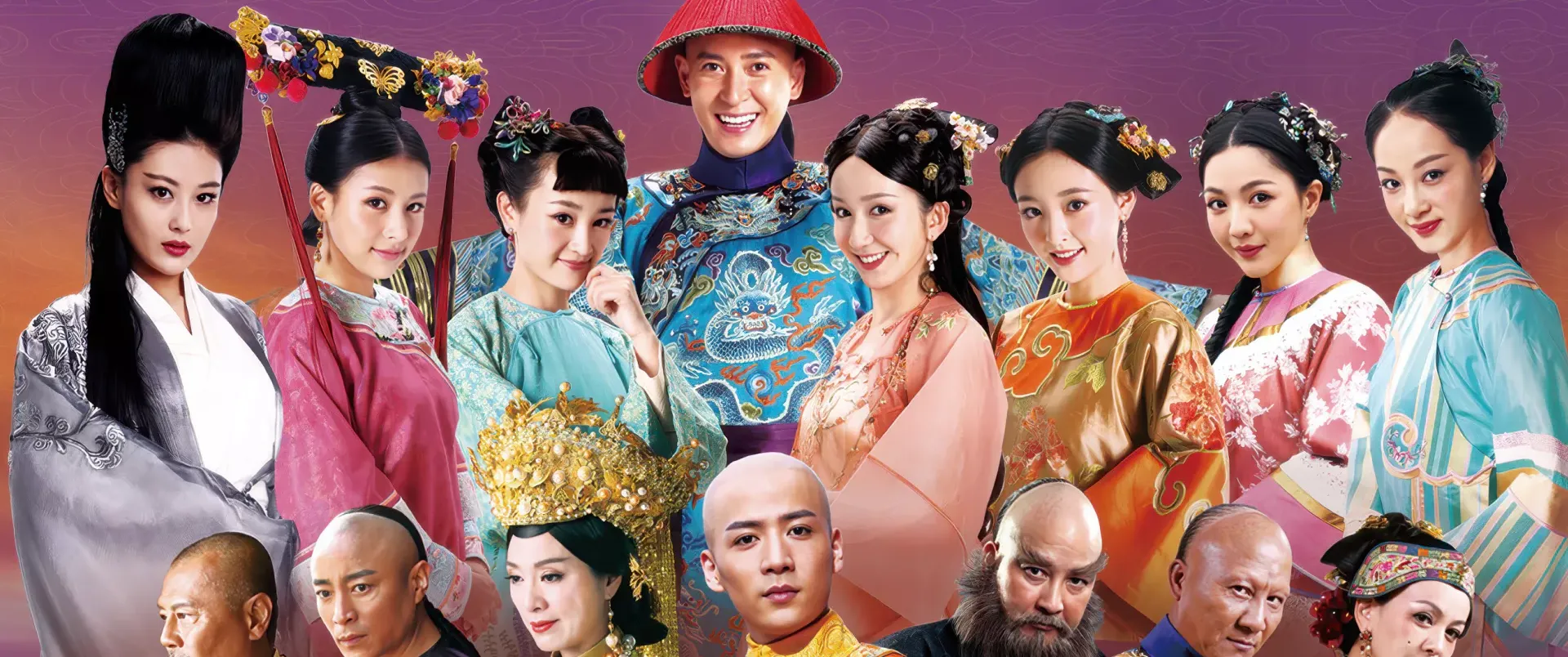
Wang Wutong (simplified: 王武通, traditional: 王武通, pinyin: Wáng Wǔtōng, jyutping: wong4 mou5 tung1) was the leader of the Wang Wu School (王屋派 — Wángwū Pài), a martial arts school that is part of the anti-Qing resistance movement in The Deer and the Cauldron.
Biography
Leadership of the Wang Wu School
Wang Wutong serves as the leader of the Wang Wu School, a martial arts school that participates in the anti-Qing resistance movement. As the school’s leader, he holds a position of authority and is responsible for managing the school’s operations and training its disciples.
The Wang Wu School is one of the martial arts schools that opposes the Qing dynasty, operating as part of the broader anti-Qing resistance movement alongside organizations like the Heaven and Earth Society (天地会).
Training disciples
Wang Wutong trains disciples in the Wang Wu School’s martial arts techniques. Notable disciples include:
- Liu Yizhou (刘一舟), who was formerly engaged to Fang Yi (方怡)
- Zeng Rou (曾柔), who later becomes one of Wei Xiaobao’s wives
His disciples participate in various missions and operations conducted by the school, supporting the anti-Qing cause.
Relationship with Wei Xiaobao
Wang Wutong’s school becomes involved with Wei Xiaobao through his disciples, particularly Zeng Rou and Liu Yizhou. These interactions lead to various conflicts and alliances between the Wang Wu School and Wei Xiaobao.
Wei Xiaobao’s relationship with Zeng Rou eventually leads to her becoming one of his wives, creating a connection between the Wang Wu School and Wei Xiaobao’s household.
Significance
Wang Wutong represents the theme of martial arts schools and their role in the anti-Qing resistance movement. His leadership of the Wang Wu School demonstrates how various martial arts organizations participated in the broader resistance against the Qing dynasty.
His character also highlights the organizational structure of the jianghu, showing how martial arts schools operated as independent organizations while participating in larger political movements.
Wang Wutong’s character contributes to the broader theme of resistance movements and their organizational structures, showing how anti-Qing organizations like the Wang Wu School could coordinate their activities with other resistance groups while maintaining their own identity and operational independence.