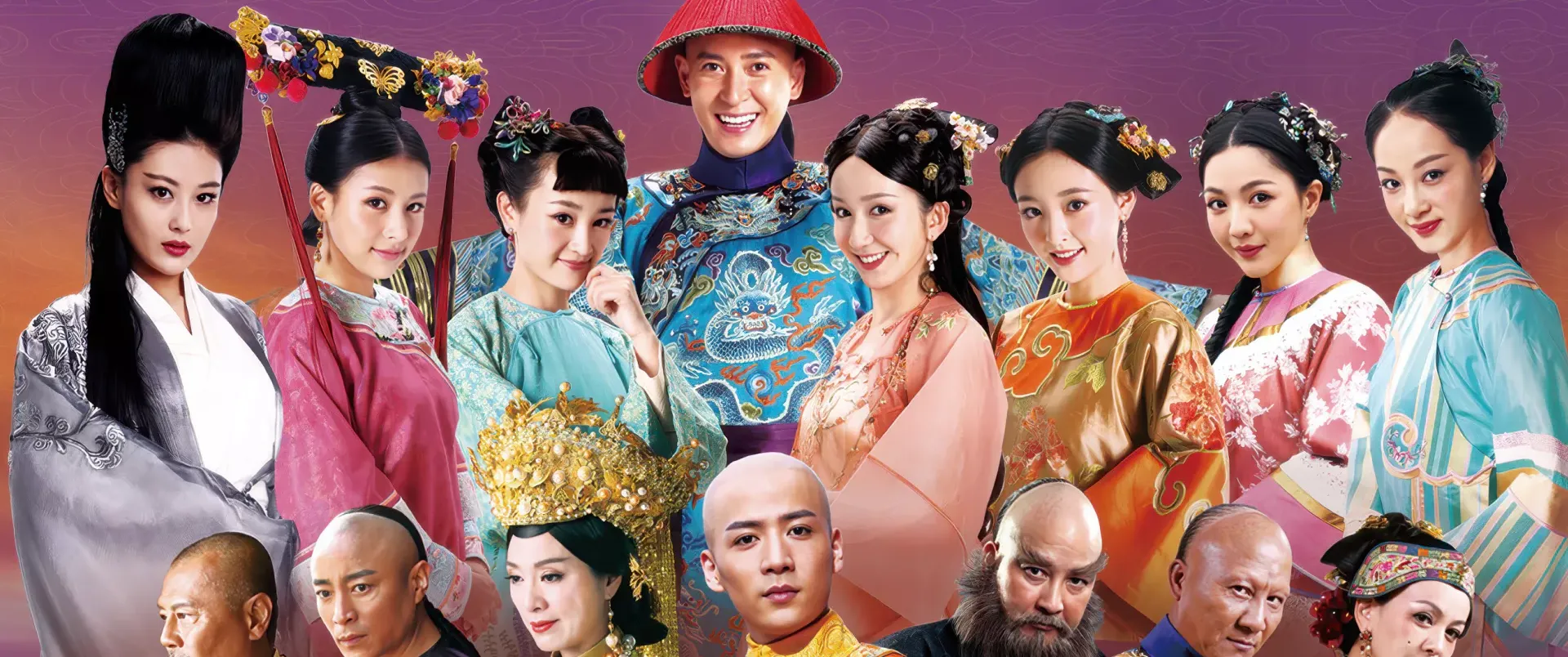
Prince Kang (simplified: 康亲王, traditional: 康親王, pinyin: Kāng Qīnwáng, jyutping: hong1 san1 wong4) was a distant cousin of the Kangxi Emperor and an imperial prince who serves in the Qing court in The Deer and the Cauldron.
Biography
Imperial prince
Prince Kang serves as an imperial prince in the Qing court, holding a position of authority and privilege as a member of the imperial family. As a distant cousin of the Kangxi Emperor, he is part of the extended imperial lineage and enjoys the benefits of his royal status.
His position as an imperial prince gives him access to the imperial court and allows him to participate in various court functions and activities, making him a figure of some importance within the imperial hierarchy.
Relationship with the Kangxi Emperor
As a distant cousin of the Kangxi Emperor, Prince Kang maintains a relationship with the emperor based on their shared imperial lineage. While they are not close relatives, their connection through the imperial family creates a bond that influences their interactions.
Prince Kang’s relationship with the emperor reflects the broader structure of the imperial family, where various princes and nobles maintained relationships based on their shared heritage and status within the Qing dynasty.
Role in the imperial court
Prince Kang participates in various activities and functions within the imperial court, serving as a representative of the imperial family. His role includes supporting the emperor and maintaining the stability and authority of the Qing dynasty.
As an imperial prince, he is expected to demonstrate loyalty to the emperor and to uphold the values and traditions of the imperial family, contributing to the overall governance and administration of the empire.
Significance
Prince Kang represents the theme of imperial family relationships and the structure of the Qing imperial court. His position as a distant cousin of the emperor demonstrates how the imperial family was organized and how various princes and nobles maintained their status and influence.
His character also highlights the theme of loyalty and service within the imperial hierarchy, as imperial princes like Prince Kang were expected to support the emperor and contribute to the stability of the dynasty.
Prince Kang’s character contributes to the broader theme of imperial court politics and the various relationships and alliances that existed within the Qing court, showing how the imperial family functioned as a complex network of relationships and obligations.