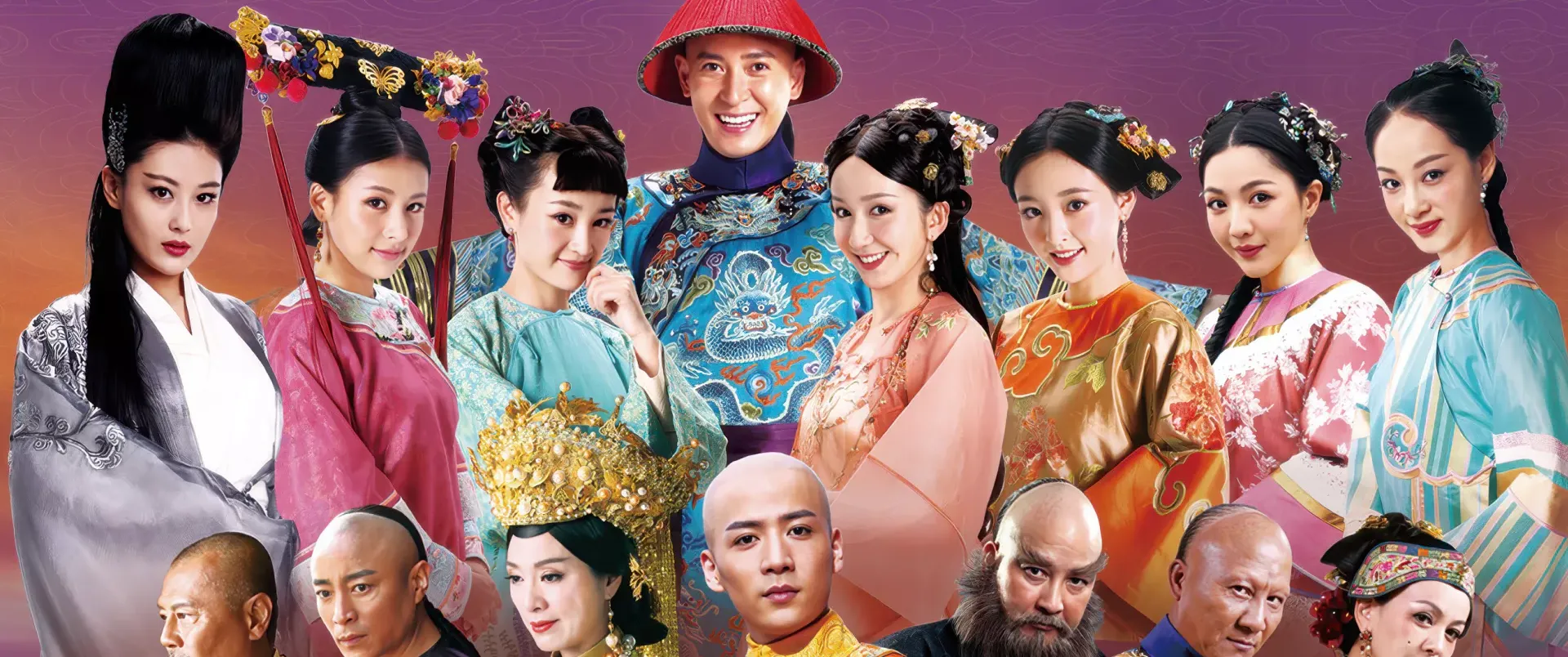
Lü Liuliang (simplified: 吕留良, traditional: 呂留良, pinyin: Lǚ Líuliáng, jyutping: leoi5 lau4 loeng4) was a Ming loyalist scholar and poet who appears in The Deer and the Cauldron. He is particularly significant for explaining the meaning of the novel’s title through a conversation with his son in the first chapter.
Biography
Historical background
Lü Liuliang was a real historical figure who lived from 1629 to 1683. He was a prominent Ming loyalist scholar and poet who refused to serve the Qing dynasty after the fall of the Ming. He was known for his anti-Qing writings and his commitment to Ming loyalism.
In the novel, Lü Liuliang appears as a scholar who explains the meaning of the novel’s title, “The Deer and the Cauldron” (鹿鼎记), through a conversation with his son, providing important thematic context for the entire work.
Explanation of the novel’s title
In the first chapter of the novel, Lü Liuliang explains the meaning of the title “The Deer and the Cauldron” to his son. He explains that:
-
The cauldron (鼎 — dǐng) references a story from The Commentary of Zuo where King Zhuang of Chu enquired about the weight of the Nine Tripod Cauldrons, revealing his ambition to seize the Mandate of Heaven. The cauldrons were symbols of imperial authority.
-
The deer (鹿 — lù) comes from a remark by Kuai Tong documented in the Records of the Grand Historian: “The Qin emperor lost his deer, and all under heaven chased after it.” The deer symbolises the throne of China, with those pursuing it representing warlords vying for power.
Lü Liuliang adds a second layer of meaning: while it is uncertain who would catch the deer, the deer’s fate is certain death. Here, the deer represents the common people who suffer regardless of who wins the power struggle.
Role as Ming loyalist scholar
As a Ming loyalist scholar, Lü Liuliang represents the intellectual resistance to Qing rule. His refusal to serve the Qing dynasty and his commitment to Ming loyalism reflect the broader theme of resistance and the complex relationship between Han Chinese intellectuals and the Manchu rulers.
His character demonstrates how scholars like Lü Liuliang maintained their principles and refused to compromise their beliefs, even in the face of political pressure and the reality of Qing rule.
Significance
Lü Liuliang represents the theme of intellectual resistance and Ming loyalism. His character demonstrates how scholars maintained their commitment to the Ming dynasty even after its fall, refusing to serve the Qing and maintaining their principles.
His explanation of the novel’s title provides crucial thematic context, establishing the novel’s central themes about power, ambition, and the suffering of the common people. Through his conversation with his son, Lü Liuliang sets the stage for the entire novel, providing readers with the philosophical framework through which to understand the story.
Lü Liuliang’s character contributes to the broader theme of resistance and loyalty, showing how intellectuals like him maintained their principles and refused to compromise their beliefs, even when faced with the reality of Qing rule and the consequences of resistance.