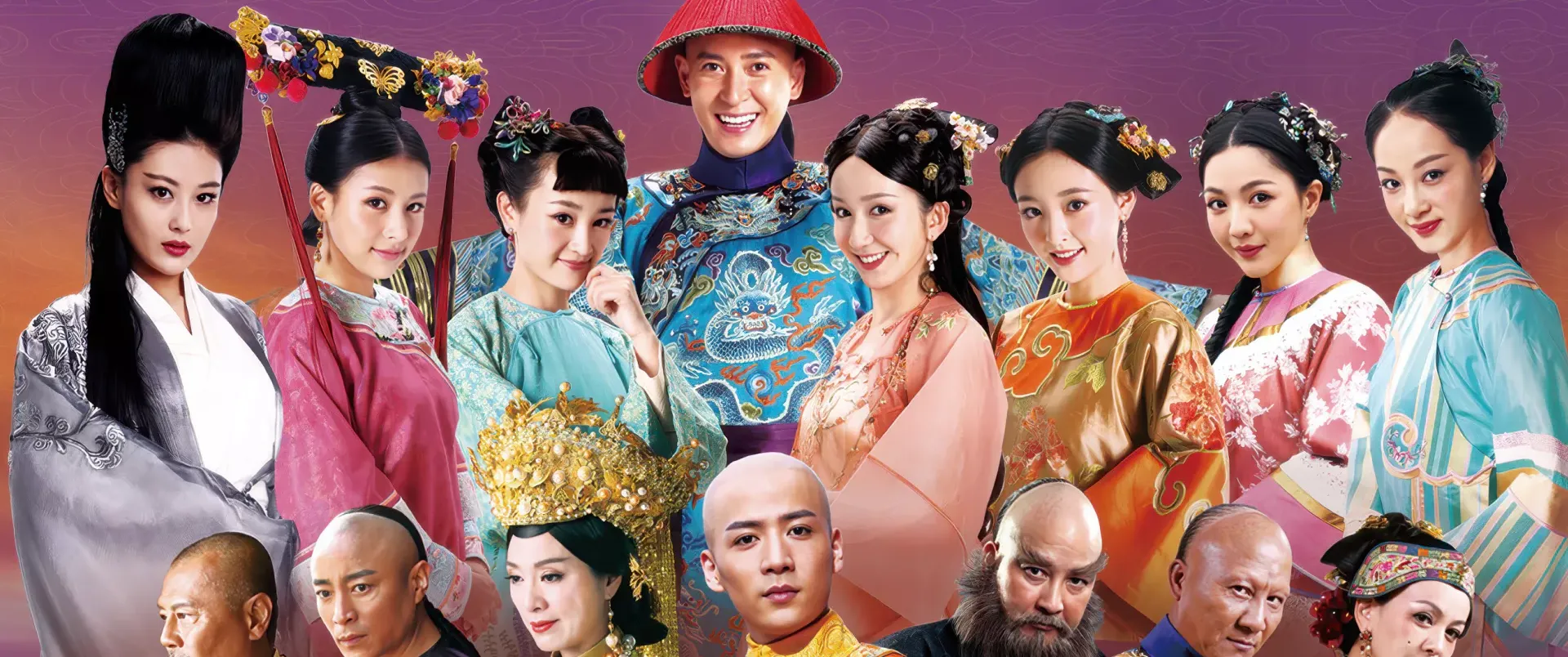
Isangga (simplified: 伊桑阿, traditional: 伊桑阿, pinyin: Yīsāng’ē, jyutping: ji1 song1 aa3) was the Minister of Personnel (吏部尚书 — Lìbù Shàngshū), serving as an important imperial official in the Qing court in The Deer and the Cauldron.
Biography
Historical background
Isangga was a real historical figure who lived during the early Qing dynasty. He was a prominent Manchu official who served in various important positions during the Kangxi Emperor’s reign, including Minister of Personnel.
In the novel, Isangga serves as the Minister of Personnel, holding a position of significant authority within the Ministry of Personnel.
Service as Minister of Personnel
Isangga serves as the Minister of Personnel, the highest-ranking official within the Ministry of Personnel (吏部 — Lìbù). The Ministry of Personnel was responsible for managing civil service appointments, promotions, transfers, and evaluations of officials throughout the empire.
As Minister, Isangga oversees the ministry’s operations and manages its various functions, including the appointment and evaluation of officials.
Role in imperial court
Isangga participates in various court functions and activities, serving as an advisor on personnel and administrative matters. His role includes participating in discussions about official appointments, promotions, and other matters related to the Ministry of Personnel.
As a high-ranking official, Isangga is part of the administrative structure that supports the functioning of the Qing court, contributing to the overall governance of the empire.
Significance
Isangga represents the theme of imperial administration and the role of high-ranking officials in the Qing court. His position as Minister of Personnel demonstrates how the Qing dynasty organized its administrative system, with specialized ministries handling different aspects of governance.
His character also highlights the theme of personnel management and the role of the Ministry of Personnel in the Qing court, showing how the ministry contributed to the appointment and evaluation of officials throughout the empire.
Isangga’s character contributes to the broader theme of imperial court politics and the various officials who contributed to the governance of the Qing dynasty, showing how ministers like Isangga played important roles in managing the empire’s personnel and administrative affairs.