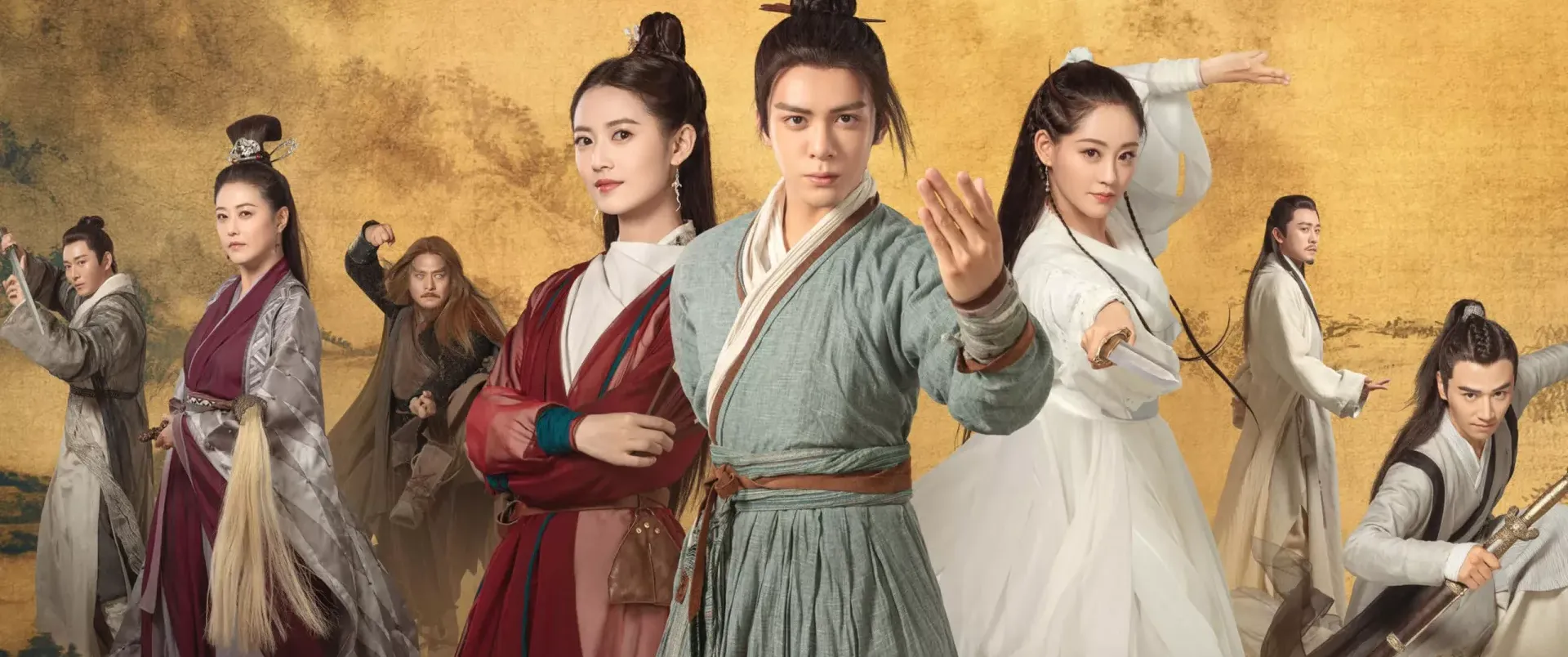
Zheng Qimie (simplified: 郑七灭, traditional: 鄭七滅, pinyin: Zhèng Qīmiè, jyutping: zeng6 cat1 mit6), meaning “Seven Extinguish,” was one of the Divine Arrow Eight Heroes (神箭八雄), Zhao Min’s eight bodyguards known for their exceptional archery skills.
Biography
Service to Zhao Min
Zheng Qimie was one of the eight bodyguards who served Zhao Min, the Yuan princess and daughter of Chaghan Temür, the Prince of Ruyang. The eight bodyguards were collectively known as the Divine Arrow Eight Heroes due to their exceptional archery skills, which were so formidable that even Zhang Wuji, the Ming Order leader, recognised their threat.
At Green Willow Villa
When Zhao Min hosted the Ming Order leaders at Green Willow Villa (绿柳山庄), Zheng Qimie was present with the other seven bodyguards. Zhao Yishang, the leader of the group, introduced Zheng Qimie along with the others to the Ming Order members, explaining their intentionally unlucky names.
Personality & traits
Loyalty
Zheng Qimie demonstrated absolute loyalty to Zhao Min, serving as one of her most trusted bodyguards and retainers.
Martial arts abilities
Exceptional archery
Zheng Qimie’s archery skills were exceptional, placing him among the most skilled archers in the jianghu. The Divine Arrow Eight Heroes’ collective archery abilities were so formidable that Zhang Wuji, despite his superior martial arts, recognised them as a significant threat.
Relationships
With Zhao Min
Zheng Qimie served as one of Zhao Min’s most trusted bodyguards and retainers.
With the other Divine Arrow Heroes
Zheng Qimie worked alongside the other seven bodyguards: Zhao Yishang, Qian Erbai, Sun Sanhui, Li Sicui, Zhou Wushu, Wu Liupo, and Wang Bashuai. They worked together as a cohesive unit under Zhao Yishang’s leadership.
Behind the scenes
Name symbolism
Zheng Qimie’s name, meaning “Seven Extinguish,” was intentionally unlucky, as were the names of all eight heroes. This naming convention was unusual in Chinese culture, where names typically contain positive meanings. The choice of such names may have been intended to avoid attracting unwanted attention or to follow a superstitious practice of using unlucky names to ward off actual misfortune.
The eight heroes’ surnames followed the traditional order from the “Hundred Surnames” (百家姓), a classic Chinese text listing common surnames. This systematic naming suggested that the names were chosen deliberately rather than being their original birth names.
See also
- Zhao Min — Zheng Qimie’s master
- Zhao Yishang — Leader of the Divine Arrow Eight Heroes
- Divine Arrow Eight Heroes — The group to which Zheng Qimie belonged