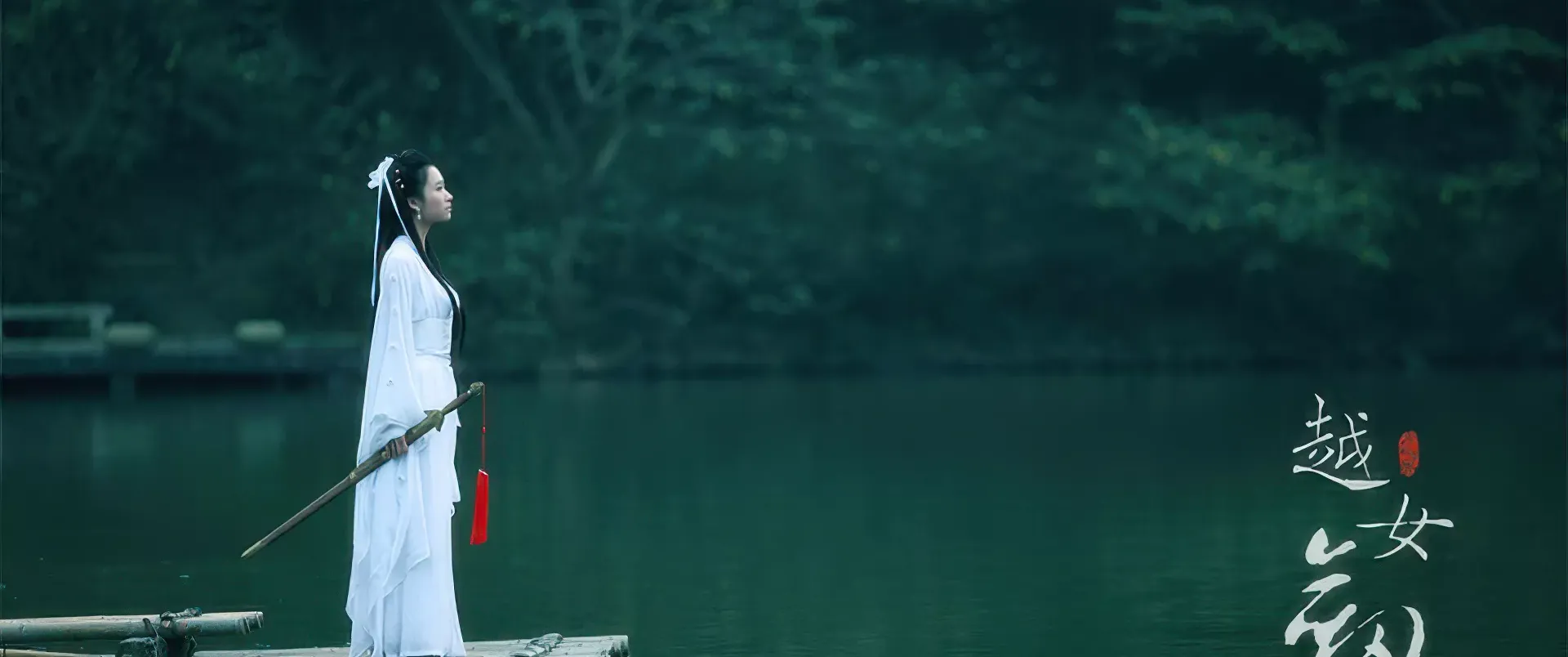
Sun Wu (simplified: 孙武, traditional: 孫武, pinyin: Sūn Wǔ, jyutping: syun1 mou5), also known as Sun Tzu (孙子 — Sūnzǐ), was a military strategist and philosopher during the Spring and Autumn period. He is most famous for authoring The Art of War (孙子兵法 — Sūnzǐ Bīngfǎ), an influential military treatise.
Biography
Early life and background
Sun Wu was born in the State of Qi but later moved to the State of Wu, where he served as a military strategist and advisor. His background in military affairs and strategic thinking made him a valuable asset to the Wu court.
Service to King Helü of Wu
Sun Wu served as a military strategist under King Helü of Wu, contributing to Wu’s military campaigns and strategic planning. His expertise in warfare and military organisation helped strengthen Wu’s military capabilities.
According to historical accounts, Sun Wu demonstrated his military principles by training the king’s concubines as soldiers, showing that proper discipline and organisation could transform even untrained personnel into effective military units.
The Art of War
Sun Wu’s most enduring legacy is The Art of War, a comprehensive treatise on military strategy, tactics, and philosophy. The work covers various aspects of warfare, including:
- Strategic planning and preparation
- Understanding terrain and conditions
- Leadership and command
- The use of deception and intelligence
- The relationship between military strength and political objectives
The Art of War has influenced military thinking for over two millennia and has been applied to fields beyond warfare, including business, politics, and personal development.
Military philosophy
Sun Wu’s military philosophy emphasised several key principles:
- Know yourself and your enemy: Understanding both one’s own capabilities and those of the opponent
- Avoid unnecessary conflict: The best victory is one achieved without fighting
- Adaptability: Responding flexibly to changing circumstances
- Strategic thinking: Planning and preparation over brute force
- Unity of purpose: Aligning military objectives with political goals
These principles reflected a sophisticated understanding of warfare that went beyond simple military tactics to encompass broader strategic and philosophical considerations.
Historical significance
Sun Wu’s The Art of War has had an immeasurable impact on military strategy and thinking throughout history. The work has been studied and applied by military leaders, strategists, and scholars across cultures and time periods.
His emphasis on strategic thinking, preparation, and understanding one’s opponent has made The Art of War relevant not only to military affairs but also to various aspects of human endeavour, from business strategy to personal development.
Behind the scenes
Sun Wu’s presence in Sword of the Yue Maiden reflects the sophisticated military thinking of the Spring and Autumn period. His principles of warfare provide context for understanding the strategic approaches taken by various states during this turbulent era.
The military strategies employed by states like Wu and Yue during their conflicts can be understood through the lens of Sun Wu’s teachings, showing how strategic thinking and preparation could overcome apparent disadvantages.
See also
- State of Wu — The state Sun Wu served
- King Helü of Wu — The Wu king Sun Wu served
- Sword of the Yue Maiden characters
External links
- Sun Tzu on Wikipedia
- Sun Wu (Chinese) on Chinese Wikipedia
- Sun Wu (Chinese) on Baidu Baike
- The Art of War on Wikipedia