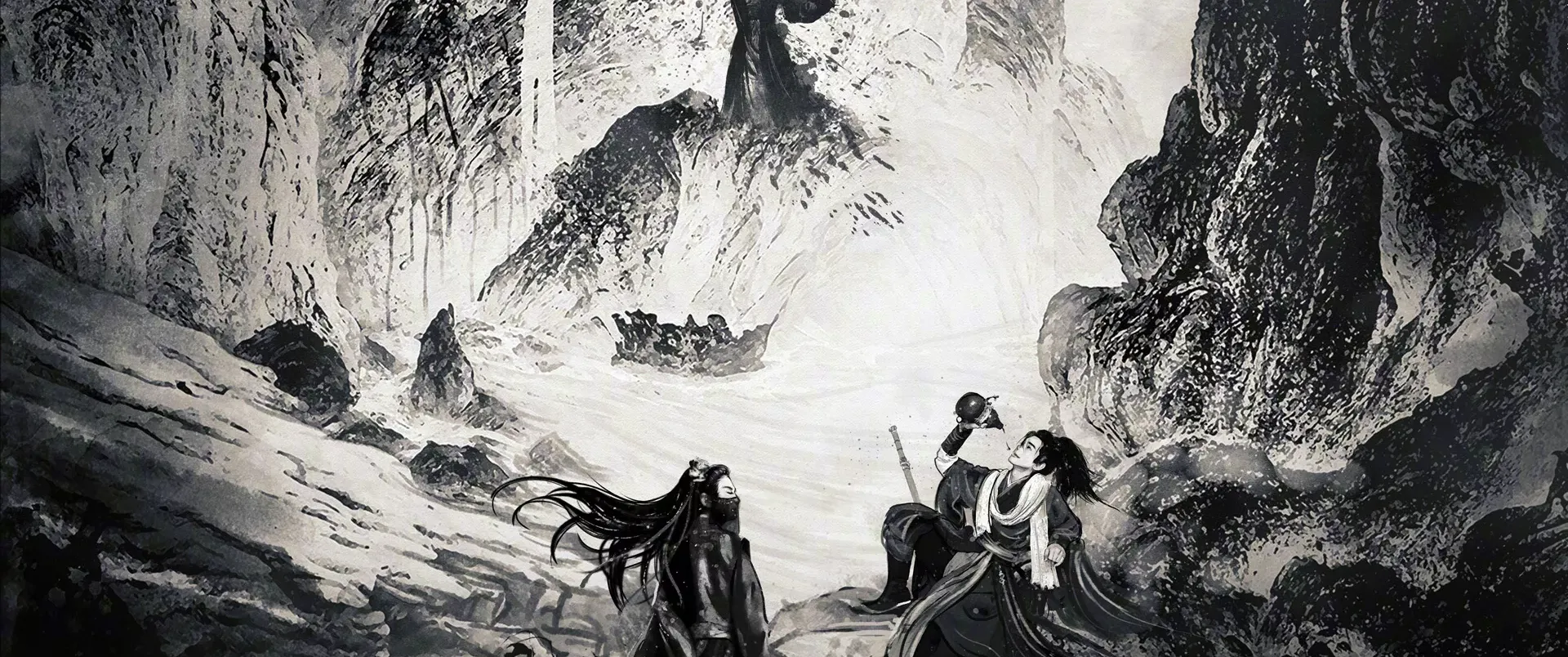
Zhucaoxian (simplified: 诸草仙, traditional: 諸草仙, pinyin: Zhūcǎoxiān, jyutping: zyu1 cou2 sin1) was the leader of the Hundred Herbs School and a member of the Old Ancestors of the Yellow River.
Biography
Zhucaoxian was the leader of the Hundred Herbs School, a martial arts sect that specialised in herbal medicine and healing techniques. He was also associated with the Old Ancestors of the Yellow River, a loose association of martial artists.
The Hundred Herbs School’s focus on herbal medicine suggests that Zhucaoxian was knowledgeable about medicinal herbs and healing techniques, combining martial arts with medical knowledge. His presence in the Old Ancestors of the Yellow River shows the diverse backgrounds of the martial artists in that group.
Personality & traits
As a minor character, Zhucaoxian’s personality is not deeply explored. He was presumably a knowledgeable leader who combined martial arts with medical expertise, reflecting the school’s focus on herbs and healing.
Martial arts abilities
Zhucaoxian was the leader of the Hundred Herbs School and would have been skilled in the school’s techniques. The school’s focus on herbal medicine suggests that its martial arts may have incorporated knowledge of pressure points, healing techniques, or other medical applications.
Relationships
- Lao Touzi and Zu Qianqiu: His fellow Old Ancestors of the Yellow River.
- Hundred Herbs School members: The members of his school.
Behind the scenes
Zhucaoxian’s character helps to demonstrate the diversity of martial arts schools in the jianghu, showing that not all schools focused solely on combat. His school’s emphasis on herbal medicine reflects the connection between martial arts and traditional Chinese medicine, a common theme in wuxia literature.
See also
- Laughing in the Wind characters
- Hundred Herbs School – Zhucaoxian’s faction
- Old Ancestors of the Yellow River – Zhucaoxian’s association
External links
- Zhucaoxian (Chinese) on Baidu Baike (Note: The Baidu Baike entry may refer to other individuals. The content used for the article is based on the novel’s context.)