Wu Zixu (simplified: 伍子胥, traditional: 伍子胥, pinyin: Wǔ Zǐxū, jyutping: ng5 zi2 seoi1) was a military strategist and advisor to the State of Wu during the Spring and Autumn period. He played a crucial role in Wu’s military campaigns and political affairs, particularly in the state’s conflicts with Yue, though his relationship with King Fuchai of Wu eventually led to his tragic end.
Biography
Early life and flight to Wu
Wu Zixu was originally from the State of Chu, where his father Wu She (伍奢) served as a minister. When his father was executed by King Ping of Chu due to false accusations, Wu Zixu fled to the State of Wu, seeking refuge and eventually becoming an advisor to the Wu court.
His flight from Chu demonstrated his determination and strategic thinking, as he had to navigate dangerous territory and evade pursuit while making his way to Wu. This experience shaped his character and his approach to political and military affairs.
Service to King Helü of Wu
Wu Zixu became a trusted advisor to King Helü of Wu, serving as both military strategist and political counselor. He played a key role in Wu’s military campaigns and helped strengthen the state’s military capabilities.
During King Helü’s reign, Wu Zixu contributed to Wu’s rise as a regional power, advising on military strategy and political matters. His expertise in warfare and statecraft made him an invaluable asset to the Wu court.
Conflict with Yue
Wu Zixu was deeply involved in Wu’s conflicts with the State of Yue, particularly after King Helü’s death. He recognised the threat that Yue posed to Wu and advocated for decisive action against the rival state.
When King Goujian of Yue was captured by Wu forces, Wu Zixu advised King Fuchai to execute Goujian rather than release him. He recognised Goujian’s determination and strategic thinking, warning that releasing him would lead to future trouble for Wu.
Disagreement with King Fuchai
Wu Zixu’s relationship with King Fuchai of Wu became strained as Fuchai pursued different policies. While Wu Zixu advocated for eliminating Yue as a threat, Fuchai chose to release Goujian and focus on other objectives.
The disagreement between Wu Zixu and King Fuchai reflected different strategic approaches to statecraft. Wu Zixu’s warnings about Yue’s potential threat proved prescient, but his advice was not heeded by the king.
Tragic end
Wu Zixu’s relationship with King Fuchai deteriorated to the point where Fuchai ordered his execution. Despite his years of loyal service to Wu, Wu Zixu was forced to commit suicide, marking a tragic end to his career.
Before his death, Wu Zixu reportedly asked that his eyes be placed on the eastern gate of the Wu capital so he could witness Yue’s eventual invasion. This request reflected his continued concern about Yue’s threat to Wu, a concern that would prove justified.
Personality and traits
Strategic thinking
Wu Zixu was known for his exceptional strategic thinking and ability to analyse complex political and military situations. His advice to King Fuchai about the threat posed by Yue demonstrated his foresight and understanding of long-term strategic implications.
Loyalty and dedication
Despite his tragic end, Wu Zixu remained loyal to Wu throughout his service. His dedication to the state’s interests, even when his advice was not followed, reflected his commitment to his role as advisor and strategist.
Persistence and determination
Wu Zixu’s flight from Chu and his subsequent rise in Wu demonstrated his persistence and determination. These qualities served him well throughout his career, though they also contributed to conflicts with King Fuchai when their strategic visions diverged.
Historical significance
Wu Zixu was a historical figure whose story has been told and retold throughout Chinese history. His role in the Wu-Yue conflict and his tragic end have made him a symbol of loyalty, strategic thinking, and the sometimes tragic consequences of political service.
His story illustrates the complex relationships between rulers and advisors during the Spring and Autumn period, showing how even skilled strategists could face tragic ends when their advice conflicted with their rulers’ decisions.
Behind the scenes
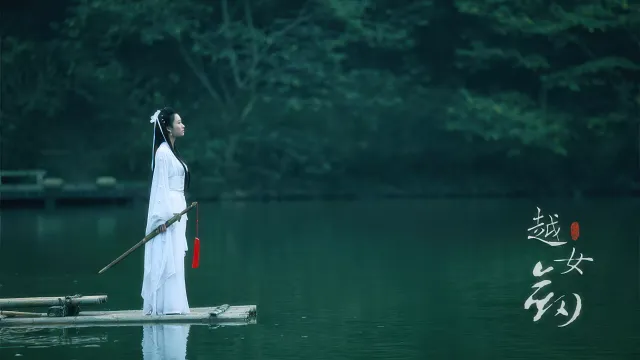
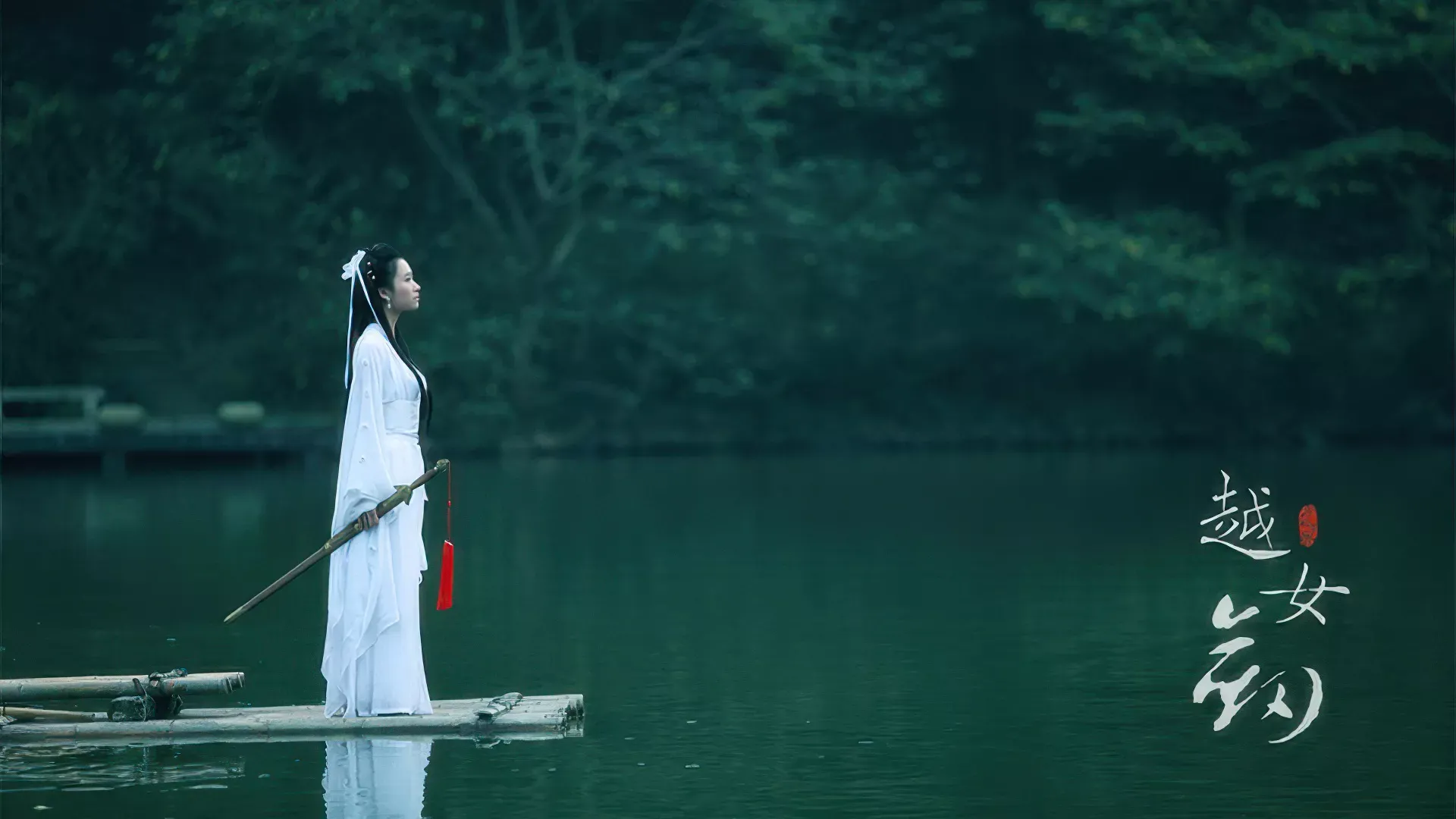
Wu Zixu’s character in Sword of the Yue Maiden represents the strategic thinking and political complexity of the Spring and Autumn period. His role as advisor to Wu and his warnings about Yue’s threat provide context for the broader political and military landscape of the era.
His tragic end serves as a reminder of the dangers that advisors faced when their strategic vision conflicted with their rulers’ decisions, illustrating the complex dynamics of power and counsel during this turbulent period.
See also
- State of Wu — The state Wu Zixu served
- King Fuchai of Wu — The king who ordered Wu Zixu’s execution
- King Goujian of Yue — The Yue ruler Wu Zixu warned against
- State of Chu — Wu Zixu’s original homeland
- Sword of the Yue Maiden characters
- View complete list