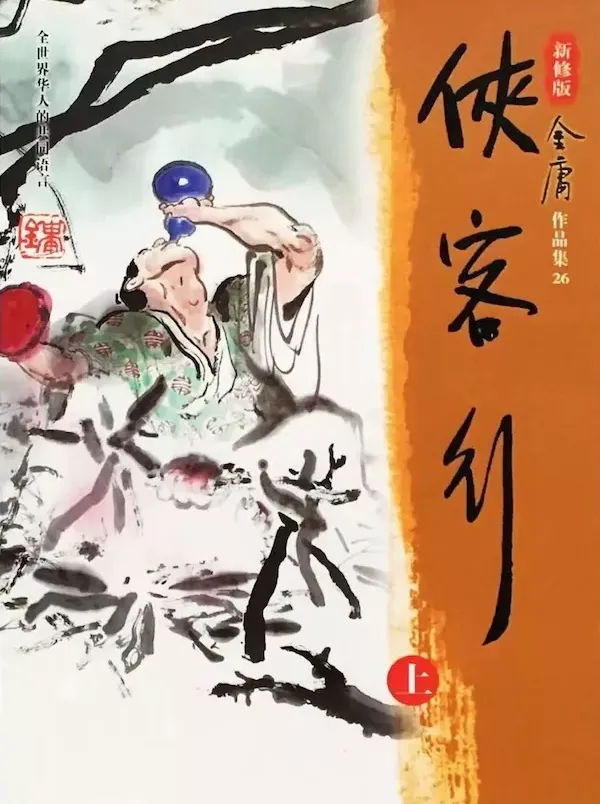
Qi Zimian (simplified: 齐自勉, traditional: 齊自勉, pinyin: Qí Zìmiǎn, jyutping: cai4 zi6 min5) was a second-generation disciple of the Snowy Mountain School and junior brother of Bai Zizai, the school’s zhangmen. He participated in the rebellion against Bai Zizai when the zhangmen descended into madness.
Biography
Early life and training
Qi Zimian was trained in the Snowy Mountain Swordplay alongside Bai Zizai and the other second-generation disciples. He was one of the senior disciples of the Snowy Mountain School, though his martial arts abilities were far inferior to Bai Zizai’s.
Jealousy and resentment
Qi Zimian, along with Cheng Zixue, Liao Zili, and Liang Zijin, grew jealous of Bai Zizai’s superior martial arts abilities. Bai Zizai’s exceptional skills came from consuming rare substances that enhanced his neili, making him far more powerful than his junior brothers.
The rebellion
When Bai Zizai descended into madness and began killing disciples who failed to show proper respect, Qi Zimian and the other senior disciples participated in a rebellion. They helped imprison Bai Zizai in a stone chamber, hoping to take control of the school.
However, when Bai Wanjian returned to Lingxiao City with Shi Potian (mistaken for Shi Zhongyu), Qi Zimian and the other rebels attempted to seize power, leading to internal conflict within the school.
Resolution
After Bai Zizai recovered from his madness and acknowledged his mistakes, the rebellion was resolved. Qi Zimian and the other rebels were likely forgiven, as Bai Zizai learned to be more humble and understanding.
Martial arts abilities
Qi Zimian was skilled in the Snowy Mountain Swordplay, though his abilities were far inferior to Bai Zizai’s. He was considered a second-rate martial artist within the jianghu, capable but not exceptional.
Behind the scenes
Qi Zimian represents the theme of jealousy and ambition in Ode to Gallantry. His character demonstrates how resentment and ambition can lead to rebellion and conflict, even within a martial arts school. His participation in the rebellion against Bai Zizai reflects the novel’s exploration of power, authority, and the consequences of excessive pride.