
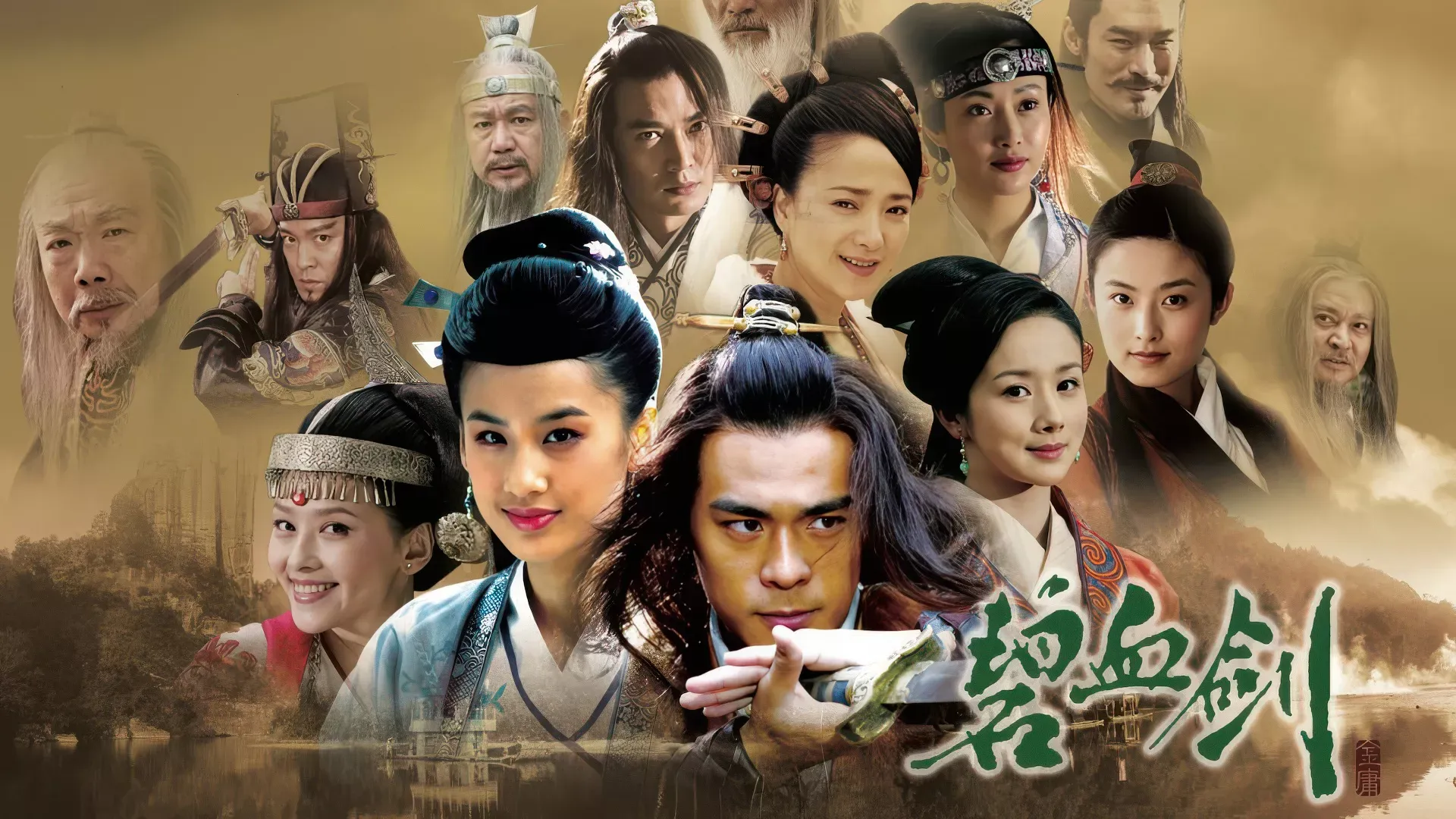
The Chongzhen Emperor (simplified: 崇祯皇帝, traditional: 崇禎皇帝, pinyin: Chóngzhèn Huángdì, jyutping: sung4 zan3 wong4 dai3), personal name Zhu Youjian (朱由检 — Zhū Yóujiǎn), was the last emperor of the Ming dynasty. He wrongfully executed Yuan Chonghuan (袁崇焕) in 1630, an act that drove Yuan Chonghuan’s son Yuan Chengzhi to seek vengeance. When Li Zicheng’s rebel forces captured Beijing in 1644, the Chongzhen Emperor committed suicide, bringing an end to the Ming.
Biography
Historical background
The Chongzhen Emperor was a real historical figure who ruled from 1627 to 1644. He was the sixteenth and final emperor of the Ming dynasty, ascending to the throne at the age of sixteen after the death of his elder brother, the Tianqi Emperor. Despite his efforts to reform the government and restore the dynasty’s fortunes, he was unable to reverse the decline that had been ongoing for decades.
In the novel, the Chongzhen Emperor’s actions, particularly his execution of Yuan Chonghuan and his eventual suicide, play crucial roles in shaping the narrative and the motivations of the fictional characters.
Execution of Yuan Chonghuan
In 1630, the Chongzhen Emperor ordered the execution of Yuan Chonghuan, one of the most capable Ming generals, after false accusations that he was colluding with the Manchus. This wrongful execution was based on suspicion and false information, and it removed one of the dynasty’s most effective defenders against the northern threat.
This execution forms the foundation of the novel’s central conflict, as Yuan Chonghuan’s son, Yuan Chengzhi (袁承志), spends his entire life seeking to honour his father’s memory. The execution also demonstrates the Chongzhen Emperor’s suspicious nature and the political failures that contributed to the Ming dynasty’s collapse.
Relations with Yuan Chengzhi
Despite Yuan Chengzhi’s hatred for the Chongzhen Emperor due to his father’s wrongful execution, Yuan Chengzhi demonstrated his commitment to justice over personal vengeance when he saved the emperor from a coup attempt by Prince Hui (惠王). This act showed that Yuan Chengzhi was willing to put aside his personal grievances for the sake of justice and the greater good.
However, the Chongzhen Emperor’s execution of Yuan Chonghuan remained a source of deep conflict, and Yuan Chengzhi’s feelings about the emperor were complex, combining hatred with a recognition of the need for justice.
Fall of Beijing and suicide
When Li Zicheng’s rebel forces captured Beijing in 1644, the Chongzhen Emperor faced the collapse of his dynasty. In despair, he decided to kill his family members to prevent them from falling into the hands of the rebels. He cut off the arm of his daughter Ajiu (阿九), also known as Princess Changping (长平公主), and killed his younger daughter, Princess Zhaoren (昭仁公主).
After attacking his daughters, the Chongzhen Emperor committed suicide by hanging himself on Coal Hill (煤山 — Méishān), now known as Jingshan Park, bringing an end to the Ming dynasty after 276 years of rule.
Role in the novel
Central conflict
The Chongzhen Emperor’s execution of Yuan Chonghuan creates the central conflict of the novel, driving Yuan Chengzhi’s motivations and actions throughout the story. This act of injustice represents the corruption and failures of the late Ming dynasty, serving as a critique of the political system that allowed such tragedies to occur.
Tragic figure
The Chongzhen Emperor is portrayed as a tragic figure who, despite his efforts to reform the government and restore the dynasty’s fortunes, was unable to reverse the decline that had been building for decades. His suspicious nature and inability to trust capable officials contributed to the dynasty’s collapse, making him both a perpetrator and a victim of the political failures of his time.
Symbol of dynastic collapse
The Chongzhen Emperor’s suicide serves as a symbol of the Ming dynasty’s final collapse. His death marks the end of an era and the beginning of the transition to the Qing dynasty, representing the culmination of decades of decline and the ultimate failure of the Ming regime.
Relationships
Family
-
Ajiu (Princess Changping) — The Chongzhen Emperor’s daughter, whose arm he cut off during the fall of Beijing. Despite his attack, Ajiu’s relationship with her father was complex, and she mourned the loss of both her family and her dynasty.
-
Princess Zhaoren (昭仁公主) — The Chongzhen Emperor’s younger daughter, whom he killed during the fall of Beijing.
Historical figures
-
Yuan Chonghuan — The Ming general whom the Chongzhen Emperor wrongfully executed in 1630, creating the central conflict of the novel.
-
Li Zicheng — The rebel leader whose forces captured Beijing, leading to the Chongzhen Emperor’s suicide.
-
Yuan Chengzhi — The son of Yuan Chonghuan, who saved the Chongzhen Emperor from a coup attempt despite his hatred for the emperor, demonstrating his commitment to justice over personal vengeance.
Legacy
In the novel, the Chongzhen Emperor’s legacy is marked by tragedy and failure. His execution of Yuan Chonghuan created a sense of injustice that drove the entire narrative, and his suicide marked the end of the Ming dynasty.
His character serves as a reminder of how suspicion, false accusations, and political failures can lead to catastrophic consequences, and how even those in positions of power can become victims of the systems they are supposed to govern.
The Chongzhen Emperor’s story also highlights the complexity of historical figures, showing how individuals can be both perpetrators and victims of historical forces beyond their control, and how their actions can have far-reaching consequences that extend beyond their own lives.
Historical note
The Chongzhen Emperor was a real historical figure who ruled the Ming dynasty from 1627 to 1644. Historically, he was known for his efforts to reform the government and restore the dynasty’s fortunes, but he was unable to reverse the decline that had been ongoing for decades. His execution of Yuan Chonghuan in 1630 is considered one of the great historical tragedies of the late Ming dynasty, and his suicide in 1644 marked the end of the Ming dynasty after 276 years of rule.
The novel’s portrayal of the Chongzhen Emperor focuses on his role in creating the central conflict through his execution of Yuan Chonghuan and his eventual suicide, using his historical actions as key elements in the fictional narrative.