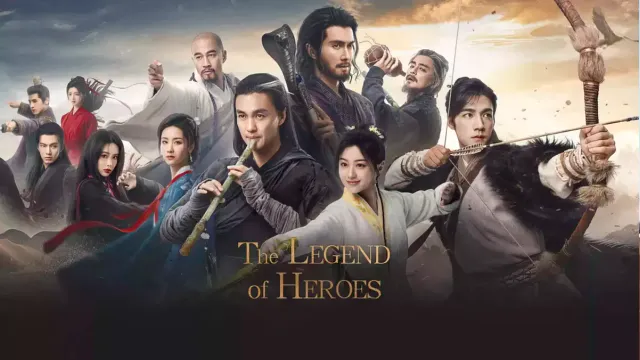
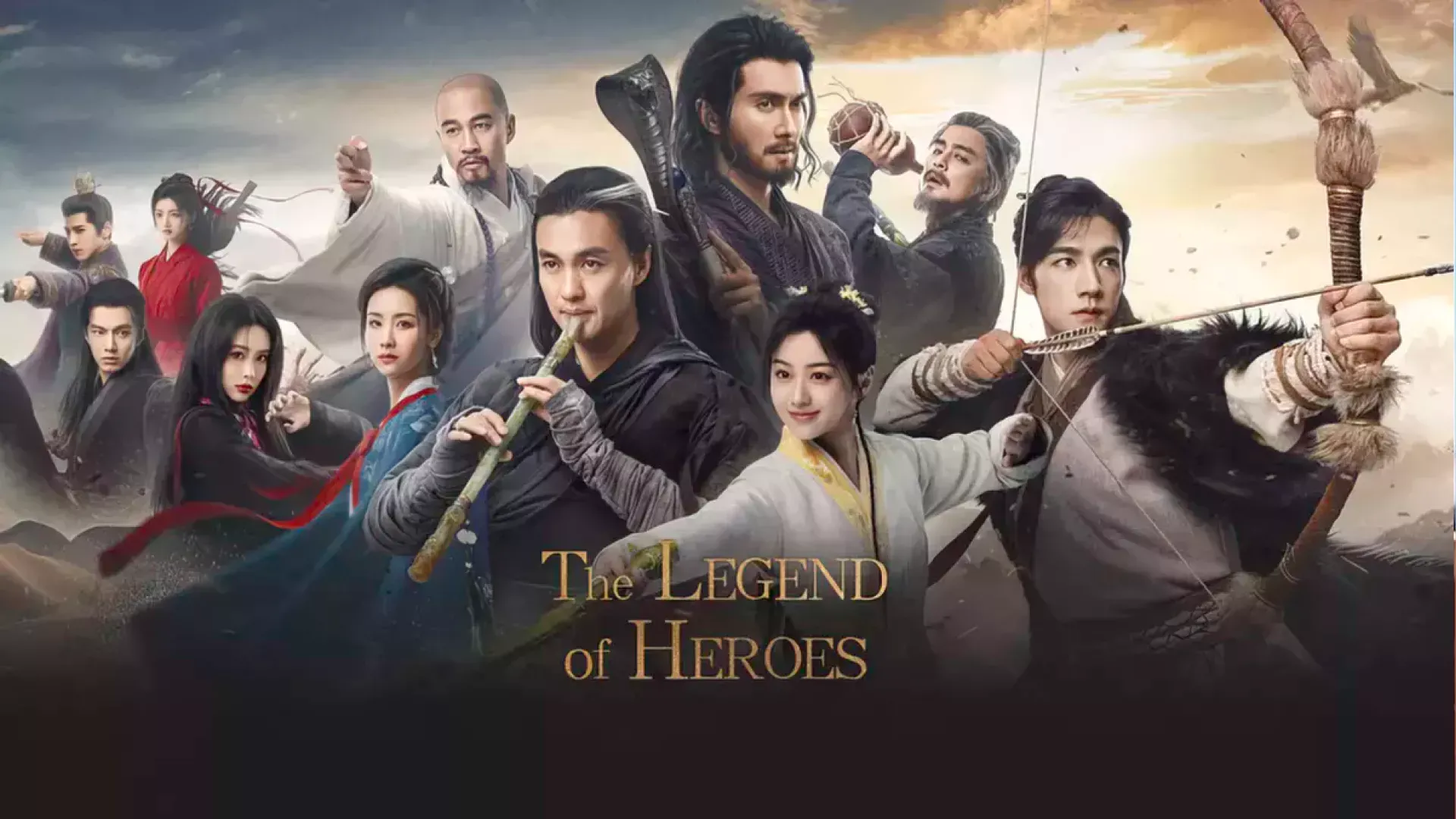
Bo’orchu (simplified: 博尔术, traditional: 博爾術, pinyin: Bó, jyutping: bok3 ji5 seot6) was a legendary Mongol warrior and one of Genghis Khan’s most trusted companions during the late Song Dynasty. As one of the great conqueror’s earliest and most loyal allies, he embodied the ideal of unwavering loyalty and martial excellence that characterized the most successful warriors of the Mongol Empire.
Bo’orchu’s relationship with Genghis Khan and his role in various military campaigns placed him at the center of significant events that shaped the course of history and influenced the development of the broader political landscape of the era.
Biography
Early life and meeting with Genghis Khan
Bo’orchu’s early life on the Mongol steppes was marked by the harsh conditions and constant warfare that characterized the nomadic lifestyle of the era. Chronicles identify his father as Naqu Bayan of the Arulad clan, highlighting how Bo’orchu grew up within a household that already supplied trusted warriors to Temüjin. His natural martial abilities and his understanding of the steppe environment made him a formidable warrior even before his fateful encounter with the future Genghis Khan.
The meeting between Bo’orchu and Genghis Khan occurred during a period when the future conqueror was still establishing his power base among the various Mongol tribes. This encounter, which would lead to a lifelong bond of loyalty and friendship, demonstrated the importance of personal relationships and mutual trust in the formation of the Mongol Empire.
Formation of sworn brotherhood
The relationship between Bo’orchu and Genghis Khan developed into a sworn brotherhood, a bond that carried significant weight in Mongol culture and society. This relationship represented more than a simple alliance; it was a commitment to mutual support and loyalty that would last throughout their lives and influence the course of history.
The sworn brotherhood between these two warriors demonstrated the importance of personal bonds in the formation of political and military alliances during this period. Their relationship would serve as a model for other alliances and would contribute to the development of the complex network of relationships that would support Genghis Khan’s rise to power.
Role in early conquests
Bo’orchu played a crucial role in Genghis Khan’s early conquests and campaigns, serving as both a trusted military commander and a personal advisor. His martial prowess and his understanding of steppe warfare made him an invaluable asset in the various conflicts that characterized the early years of Genghis Khan’s rise to power.
His participation in these early campaigns demonstrated the effectiveness of the combination of personal loyalty and martial excellence that would become characteristic of the most successful Mongol commanders. His ability to adapt to changing battlefield conditions and to inspire loyalty in his own subordinates contributed significantly to the success of these early military operations.
Recognition among the Four Steeds
Historical chronicles describe Bo’orchu as one of the “Duoliban Qulu”—the Four Steeds who stood closest to Temüjin during the founding of the Mongol Empire—alongside Wood Palace Mukali, Chilaun, and Boroqul. The title acknowledged not only his courage in rescuing Genghis Khan from repeated ambushes, but also his appointment as the right-wing ten-thousand-household commander responsible for the steppe lands stretching toward the Altai. Imperial edicts granted him privileges normally reserved for the imperial clan, including the right to nine pardons and hereditary control over broad grazing territories, illustrating how deeply his loyalty was woven into the Mongol state.
Personality and traits
Unwavering loyalty
Bo’orchu’s most defining characteristic was his unwavering loyalty to Genghis Khan and the Mongol cause. This loyalty, which had been established through their sworn brotherhood, influenced all of his actions and decisions throughout his life.
This loyalty extended beyond simple obedience to include active support for Genghis Khan’s various objectives and initiatives. His willingness to risk his life and to make personal sacrifices for the cause demonstrated the depth of his commitment and the strength of the bond between the two warriors.
Martial excellence and dedication
Bo’orchu embodied the ideal of martial excellence through dedicated practice and continuous improvement. His approach to warfare emphasized not just the development of technical skills but also the cultivation of the mental and spiritual qualities necessary for true mastery of the art of war.
This dedication to martial excellence influenced his teaching methods and his approach to various challenges, leading him to seek continuous improvement in both his own abilities and those of his subordinates and allies.
Strategic thinking and adaptability
Bo’orchu’s ability to think strategically and to adapt to changing circumstances made him particularly effective in the complex and rapidly changing military and political environment of the era. His willingness to learn from experience and to modify his approach based on new information demonstrated a practical approach that prioritized effectiveness over tradition or ideology.
This strategic thinking extended beyond military considerations to include political and diplomatic concerns, making him a valuable advisor and representative of Mongol interests in various situations.
Martial arts abilities
Steppe warfare expertise
Bo’orchu’s martial abilities were rooted in the traditional fighting techniques of the Mongol steppes, where warfare was characterized by mobility, speed, and the effective use of terrain. His mastery of these techniques made him particularly effective in the type of mobile warfare that would become the hallmark of Mongol military success.
His understanding of steppe warfare included not just individual combat skills but also the tactical knowledge necessary to coordinate large groups of mounted warriors effectively. This combination of individual skill and tactical understanding made him a valuable commander in various military situations.
Horseback combat mastery
Bo’orchu’s ability to fight effectively while mounted on horseback was a crucial martial skill for the Mongol warriors of this era. This technique required exceptional balance, coordination, and timing, as the warrior had to maintain control of his mount while engaging in combat.
His mastery of horseback combat made him particularly effective in the type of mobile warfare that characterized Mongol military campaigns. The ability to fight effectively while moving at high speeds gave him and his troops a significant advantage over more static military formations.
Weapon proficiency
Bo’orchu’s proficiency with various weapons, particularly the spear and bow, demonstrated his comprehensive martial training and his ability to adapt to different combat situations. His skill with these weapons reflected the traditional Mongol emphasis on versatility and adaptability in martial arts training.
The spear, as a primary weapon for mounted combat, required exceptional skill to use effectively, and Bo’orchu’s mastery of this weapon demonstrated his dedication to martial excellence and his understanding of the practical requirements of steppe warfare.
Military campaigns and achievements
Bo’orchu’s military career under Genghis Khan included numerous campaigns that demonstrated his tactical brilliance and martial prowess. His ability to lead troops effectively and to adapt his tactics to various battlefield conditions made him one of the most valuable commanders in the Mongol army.
These campaigns often brought him into contact with various martial artists and military forces from different cultures, providing him with valuable experience and insights that would later prove useful in his interactions with the protagonists of the story and in the broader development of Mongol military strategy.
Political and strategic contributions
Beyond his direct military contributions, Bo’orchu played an important role in the political and strategic development of the Mongol Empire. His close relationship with Genghis Khan gave him access to the highest levels of decision-making, and his advice and counsel influenced many of the strategic decisions that would shape the empire’s development.
Political and strategic contributions
Beyond his direct military contributions, Bo’orchu played an important role in the political and strategic development of the Mongol Empire. His close relationship with Genghis Khan gave him access to the highest levels of decision-making, and his advice and counsel influenced many of the strategic decisions that would shape the empire’s development.
His understanding of both military and political considerations made him a valuable advisor, and his loyalty ensured that his advice was always given with the best interests of Genghis Khan and the Mongol people in mind.
Relationships
Sworn brotherhood
Bo’orchu’s relationship with Genghis Khan represented the ideal of loyalty and mutual respect between sworn brothers. Their bond, formed in the early years of Genghis Khan’s rise to power, would last throughout their lives and serve as a foundation for the broader network of alliances that would support the Mongol Empire’s expansion.
This relationship demonstrated the importance of personal bonds in the formation of political and military alliances during this period. Their sworn brotherhood provided a model for other relationships and contributed to the development of the complex network of loyalties that would support the empire’s growth.
Other Mongol commanders
Bo’orchu’s relationships with other Mongol commanders reflected the complex dynamics of military leadership and the various alliances and rivalries that existed within the Mongol military hierarchy. His ability to work effectively with other commanders while maintaining his own position and influence demonstrated his diplomatic skills and his understanding of military politics.
These relationships were often characterized by mutual respect and recognition of each commander’s unique abilities and contributions to the empire’s success. The ability to maintain these relationships while pursuing the empire’s broader objectives demonstrated the sophisticated political skills that characterized the most successful Mongol leaders.
Allies and vassals
Bo’orchu’s interactions with various allies and vassals of the Mongol Empire demonstrated his ability to represent Genghis Khan’s interests effectively while maintaining positive relationships with potential allies. His diplomatic skills and his understanding of the various cultural and political considerations involved in these relationships made him an effective representative of Mongol interests.
These relationships often involved complex negotiations and the balancing of various competing interests, and Bo’orchu’s success in managing these relationships contributed significantly to the empire’s ability to expand and maintain its influence over vast territories.
Behind the scenes
Legacy and influence
Bo’orchu’s contributions to the development of Mongol military tradition extended beyond his direct military achievements to include his influence on the broader development of Mongol military thinking and strategy. His emphasis on mobility, adaptability, and the effective use of terrain influenced the development of tactics that would become characteristic of Mongol warfare.
This influence extended to the training and development of other commanders and warriors, who would carry forward the lessons learnt from Bo’orchu’s various campaigns and achievements.
Contribution to empire building
Bo’orchu’s role in the early development of the Mongol Empire demonstrated how individual loyalty and martial excellence could contribute to the creation of one of history’s most formidable political and military organisations. His relationship with Genghis Khan provided a model for other relationships and contributed to the development of the complex network of loyalties that would support the empire’s expansion.
This contribution extended beyond his direct military and political activities to include his role as a symbol of the values and principles that would come to characterize the most successful aspects of the Mongol Empire.
Personal legacy
Bo’orchu’s personal legacy lay in his demonstration of the importance of loyalty, martial excellence, and strategic thinking in the achievement of great objectives. His life and career provided a model for other warriors and leaders who would follow in his footsteps and contribute to the continued development of the Mongol Empire and its various successor states.
This personal legacy demonstrated how individual character and abilities could contribute to broader historical developments and how personal relationships could influence the course of history in significant ways.
Portrayals
See also
External links
- Bo’orchu on Wikipedia
- Bo’orchu (Chinese) on Chinese Wikipedia
- Bo’orchu (Chinese) on Baidu Baike
- The Legend of the Condor Heroes on Wikipedia